
Key Takeaways
- Ventilation is King: Without a balanced intake and exhaust system, attic temperatures in Haddam can hit 145°F, 'baking' shingles from the inside out.
- Material Matters: Transitioning to solar-reflective shingles can reduce roof surface temperatures by up to 48°F during peak daylight.
- The February Advantage: Scheduling your heat-protection upgrades in late winter ensures you beat the frantic spring rush and summer heatwaves.
Over the last few decades in Connecticut, our summers have shifted from "occasionally humid" to "downright oppressive." I remember looking through local archives in Middlesex County and seeing how old Shoreline farmhouses were built—wide eaves, high ceilings, and deep porches. They were designed to breathe because air conditioning wasn't an option. But today, we've boxed our homes in with heavy insulation and massive windows, often forgetting that the roof is the first line of defense against that relentless June sun. In Haddam, where we have a beautiful mix of historic Colonials near the river and modern builds tucked into the hills, the "standard" roof often isn't enough to handle the 90-degree spikes we're seeing more frequently.
The short answer? Yes, your roof needs more than just shingles to survive a Connecticut summer without sending your UI bill into the stratosphere. It's about creating a system that reflects heat rather than soaking it up like a sponge.
The Hidden Cost of a "Baking" Attic in Middlesex County
I was chatting with a homeowner near Higganum last season who couldn't figure out why their upstairs bedrooms felt like a sauna even with the AC cranking. We took a peek in their attic, and it was like walking into a pizza oven. The culprit wasn't just a lack of insulation; it was a total lack of airflow. When your roof is exposed to the summer sun, it absorbs radiant heat. If that heat has nowhere to go, it sits in your attic, radiating down through your ceiling and forcing your HVAC system to work double-time.
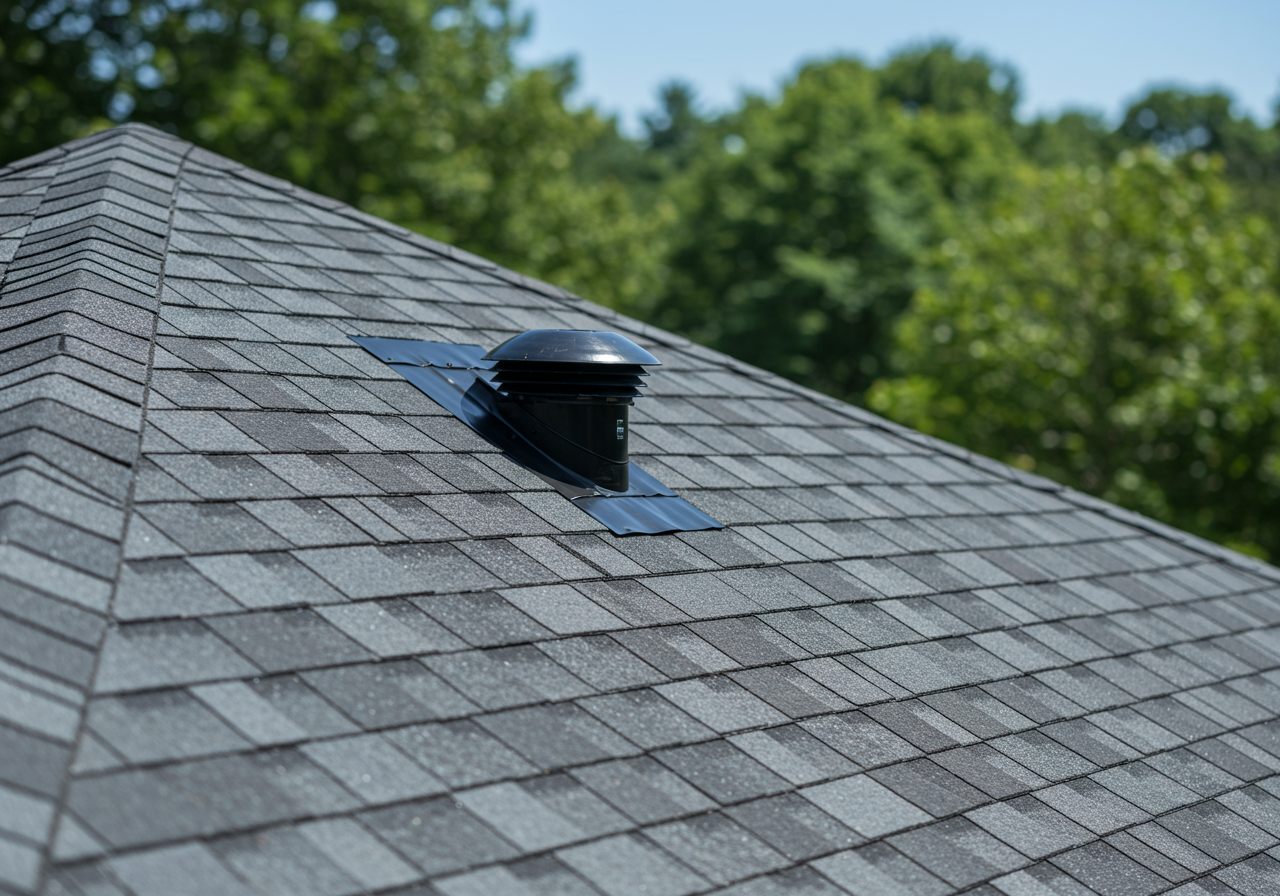
Summer Heat Protection for Haddam Homes
Proper ventilation and solar-reflective materials can dramatically reduce attic temperatures and energy costs.
But it's not just about your comfort. Excessive heat actually shortens the chemical lifespan of your shingles. The oils in the asphalt dry out, leading to "thermal shock"—the rapid expansion and contraction that causes granules to pop off and shingles to curl. I've seen 30-year roofs in our area fail at the 17-year mark simply because they were suffocated by poor ventilation. If you're wondering how your current setup stacks up, checking out how we vet local crews who specialize in ventilation can save you a massive headache down the road.
Did You Know?
Did you know that for every 10°F increase in attic temperature, the lifespan of a standard asphalt shingle can be reduced by roughly 8%? In a typical Haddam summer, that adds up fast.
Choosing Shingles That Reflect Rather Than Absorb
When we think about curb appeal in Haddam, we usually focus on color. We want that deep charcoal or weathered wood look that fits the New England aesthetic. However, traditional dark shingles are notorious for absorbing nearly 90% of solar energy. The good news is that technology has caught up with our design tastes. We now have "cool roofs"—shingles designed with specialized granules that reflect infrared radiation.
I recently helped a friend near River Road pick out a new roof, and we looked at shingles that had a high Solar Reflectance Index (SRI). They look just like traditional architectural shingles but behave very differently under the sun. It's like the difference between wearing a black wool sweater or a white linen shirt on a July afternoon.
Standard Shingles vs. Solar Reflective Technology
| Feature | Standard Asphalt | Solar Reflective |
|---|---|---|
| Solar Reflectance | ||
| Attic Temp Reduction | ||
| UV Resistance | ||
| Haddam Design Compatibility |
Why Your "Decking" Needs a Professional Eye
A roof is only as good as what's underneath it. According to the International Code Council (ICC), proper roof deck preparation is vital for both moisture control and heat management. In our part of Connecticut, we deal with high humidity from the river, which can trap moisture under the shingles if the underlayment isn't breathable.
I've seen DIY-gone-wrong scenarios where homeowners tried to add radiant barriers themselves and ended up trapping moisture, leading to rot. This is why I always suggest you verify your contractor's license before they touch your decking. A pro knows the difference between a vapor barrier and a breathable membrane, which is crucial for preventing "sweating" in the attic during those humid August nights.
The "Double Layer" Trap
Putting the Plan into Action This February
You might think it's odd to talk about summer heat while there's still a chance of a late-season dusting of snow on the ground. But here's the thing: by the time the first 80-degree day hits in May, every reputable roofer in Middlesex County will be booked through September. February is the "golden window" for planning. You have time to look at samples, check the Better Business Bureau's contractor ratings, and get a few different perspectives on your attic's airflow.
If you're ready to see how the numbers look for your specific roofline, you can grab an instant estimate. It's much better to have your "cool roof" and ventilation system in place before the humidity arrives. Trust me, when your neighbor's AC is humming at midnight and yours is silent because your house stayed naturally cooler, you'll be glad you did the homework now.
Conduct an attic 'sniff test' for musty smells or trapped heat.
Open your attic access and take a deep breath. If it smells musty or feels like a sauna even in winter, you have a ventilation problem.
Inspect soffit vents for clogs (wasp nests or insulation overfill).
Look under your eaves. If you can't see daylight through the vents, or if insulation is blocking them, air can't flow properly.
Compare Solar Reflective (SRI) shingle samples against your siding color.
Many manufacturers offer cool roof options that match traditional colors. Get samples and see how they look in natural light.
Verify contractor credentials and insurance through ZikQuote.
Before signing anything, confirm your contractor is licensed, insured, and has experience with ventilation systems.
Schedule installation for early spring to beat the heat.
Aim for March or early April installation. This gives the roof time to settle before summer stress tests begin.
Get Your Free Roof Quote
Enter your zip code to get started
I've seen too many beautiful homes in Haddam suffer because of "invisible" heat damage. Your roof isn't just a lid; it's a breathing part of your home's ecosystem. Treat it that way, and it'll keep you cool for decades.