
Key Takeaways
- The Energy Efficient Home Improvement Credit (25C) offers a 30% material cost credit, capped at $1,200 annually for roofing components.
- Traditional asphalt shingles rarely qualify; you must install "Cool Roof" pigmented shingles or specific metal products with a Manufacturer's Certification Statement.
- Labor costs for roofing installation are excluded from the federal credit—only the material line item counts toward your tax break.
- Pomfret homeowners can often stack federal credits with local Connecticut rebates if the project meets specific thermal performance benchmarks.
While one Pomfret homeowner is cutting a check for $18,450 and calling it a day, their neighbor over in Abington is spending nearly the same amount but getting a $1,200 "discount" directly from the IRS. It isn't magic, and it isn't a "hookup" from a brother-in-law. It's the difference between a standard replacement and a tax-stratified upgrade. Most contractors in the Quiet Corner will happily sell you a standard architectural shingle because it's what they have in the truck, but they rarely mention the Energy Efficient Home Improvement Credit (25C). Why? Because it requires them to provide specific, material-only line items and certification papers that most don't want to dig for. But if you're looking at your roof as a financial asset rather than just a lid for your house, you need to understand the math that the "big box" installers usually skip over.
The $1,200 Annual Cap and the Material-Only Reality
Here's the cold reality: the federal government isn't going to pay for your roof's labor. I've seen homeowners in Windham County get excited thinking they're getting 30% off a $20,000 project. That's not how the math works. The 25C credit applies specifically to the "building envelope components," and for roofing, that means the materials. If your total material cost is $4,000, 30% would be $1,200—which, coincidentally, is the maximum annual limit for this specific category.
I recently reviewed a quote for a Colonial on Route 44 where the contractor lumped "Materials and Labor" into one $19,200 figure. That is a red flag if you want your tax break. You have to demand a breakout. If the contractor can't or won't show you the "receipt" for just the shingles or metal panels, you can't accurately claim the credit. In Pomfret, where our January temperatures are currently hovering around 43°F, every dollar you save on the initial install can go toward the higher heating costs we're all feeling this week. Always insist on seeing the material cost as a standalone line item before you put a pen to paper.
Why Your "Standard" Shingle Won't Pass the IRS Test
Most of the asphalt shingles installed in Connecticut don't qualify for a dime. To get the credit, the roof must meet Energy Star: Cool Roofs Consumer Guide requirements. This usually means "Cool Roof" shingles that have special cooling granules to reflect sunlight. While it's 43°F today with 57% humidity, come July, those granules are what keep your attic from turning into a 140-degree oven.
I've had Pomfret residents tell me their contractor promised the roof was "energy efficient" only to find out it didn't have the Manufacturer's Certification Statement. Without that specific piece of paper—not just a brochure, but a legal certification from the manufacturer—the IRS will likely reject the claim if you're audited. If you're looking for local roofing pros who actually understand the difference between a "good shingle" and a "qualified energy-efficient component," you have to ask for the certification paperwork during the bidding phase, not after the roof is already nailed down.
Dana's Document Checklist
The Metal Roofing Advantage in the Quiet Corner
If you're serious about the tax credit, metal is often the path of least resistance. Many standing seam metal roofs are naturally reflective enough to qualify for the 25C credit without any "special" upgrades. In a town like Pomfret, where the 11 mph winds today are just a preview of the nor'easters we get, metal offers a durability that asphalt can't touch.
I remember a project near the Pomfret School where the owner debated between a premium asphalt shingle and a standing seam metal roof. The metal was about $5,800 more expensive upfront. However, once we factored in the $1,200 tax credit and the fact that they wouldn't need another roof for 50 years, the "true cost" gap narrowed significantly. When the wind picks up and the snow starts piling, a metal roof doesn't just save you money on taxes; it saves you the $450 "emergency leak repair" bill that usually follows a bad Connecticut ice storm.
"Don't let a contractor tell you 'all roofs qualify now.' That's a sales tactic, not a tax strategy. If they can't produce a certification statement, keep your checkbook closed."
Managing the January "Slow Season" for Better Value
January is a unique time for Pomfret homeowners. Most people wait until April to think about their roof, which means contractors are currently looking at empty calendars. With today's partly cloudy skies and manageable 43°F temps, it's actually a great time to negotiate. You have more leverage right now than you will in six months.
I often suggest using this leverage to bridge the price gap between standard materials and energy-efficient ones. You might say to a contractor: "I want the Energy Star-rated shingles, but I want you to meet the price of the standard ones to make up for the extra paperwork." You'd be surprised how many local crews will eat that $800 material difference just to keep their guys working through the winter. This is the best way to get an instant roof estimate that reflects current market conditions rather than peak-season price gouging.
Ask for a quote that separates material costs from labor costs.
This is non-negotiable if you want to claim the tax credit. The IRS needs to see exactly what you paid for materials versus installation.
Verify the shingles or metal panels have a Manufacturer's Certification Statement for the 25C credit.
Don't accept a brochure or website link. You need the actual certification document that proves the product meets Energy Star requirements.
Check for additional Connecticut-specific energy rebates through Energize CT.
The federal credit can often be stacked with state-level incentives, potentially saving you even more on your roofing project.
Secure the physical certification document before making the final payment.
Once the roof is installed, getting documentation becomes much harder. Get everything in writing before you sign the final check.
Don't Ignore the "Other" Assistance Options
The federal tax credit isn't the only game in town. For some Pomfret residents, especially those in older homes that might need structural work before a new roof can even go on, there are other avenues. If your roof is failing and causing safety issues, you should look into USA.gov: Government Home Repair Assistance for potential grants or low-interest loans.
Also, if you have a low-slope or flat section of your roof (common on modern additions or some historic commercial-style buildings in the area), make sure you're following the FEMA: Low-Slope (Flat) Roof Systems Protection Guide to ensure the materials you're choosing for the tax credit also meet Windham County's snow load and wind requirements. A tax credit is worthless if the roof blows off in a February gale.
The Non-Refundable Credit Reality
The Bottom Line on Pomfret Roofing Savings
At the end of the day, a roof is a massive investment—likely one of the top three expenses you'll ever face as a homeowner. Leaving $1,200 on the table because a contractor didn't feel like explaining a tax form is just bad math. We live in a part of Connecticut where the weather is unpredictable and the cost of living isn't getting any cheaper. Every line item matters.
Before you sign that contract, ask yourself: Is this roofer a partner in my home's value, or just a guy with a nail gun? A partner will help you navigate the 25C requirements. They'll provide the breakout costs. They'll hand you the certification. If they won't, it might be time to connect with CT roofing contractors who value your bottom line as much as their own. The $1,200 is yours; don't let a lack of paperwork give it back to the government.
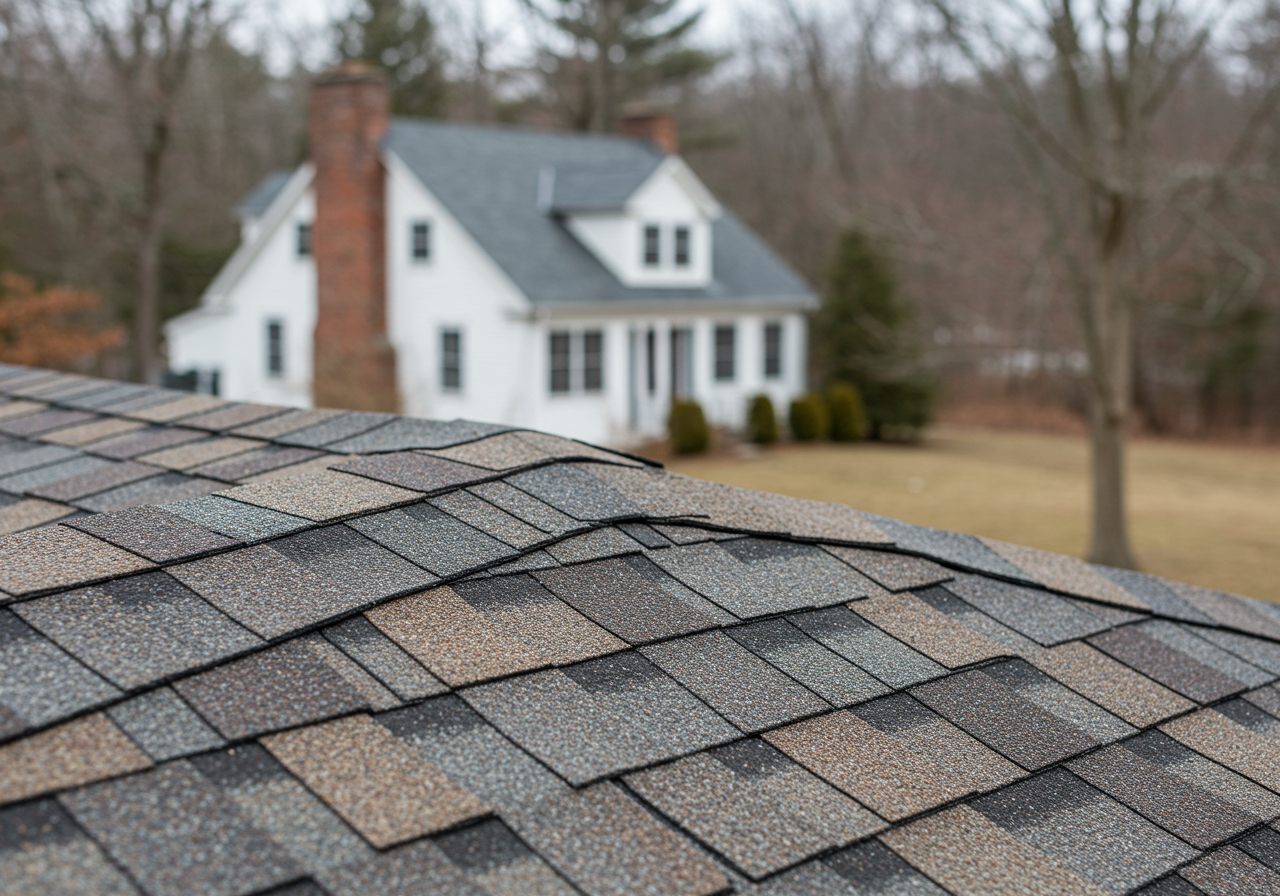
Energy-efficient roofing materials that qualify for federal tax credits
Understanding which roofing materials meet Energy Star requirements can save Pomfret homeowners $1,200 annually through the 25C tax credit.
Get Your Free Roof Quote
Enter your zip code to get started