
Key Takeaways
- Impact-rated shingles (Class 4) can reduce long-term repair costs by up to 24% following high-wind events.
- Proper fastener patterns—using six nails instead of four—is the single most cost-effective hurricane upgrade.
- Reinforcing the roof-to-wall connection (hurricane clips) is significantly cheaper than a total roof replacement.
- Annual inspections in February or March identify 'lifted' shingles before the heavy storm season begins.
I remember a site visit on Peppertree Lane back when a late-season storm hammered the Quiet Corner. The homeowner was confident because their shingles were only five years old, but when I climbed the ladder, I found the real problem. It wasn't the age of the materials; it was the fact that the original installer had used standard staples instead of the high-wind roofing nails required for our region's specific wind patterns. That oversight nearly cost them the entire roof deck during the first 70 mph gust. In Eastford, we deal with a unique micro-climate—hilly terrain and heavy tree cover—that can turn a "standard" storm into a localized disaster if your roof isn't armored correctly.
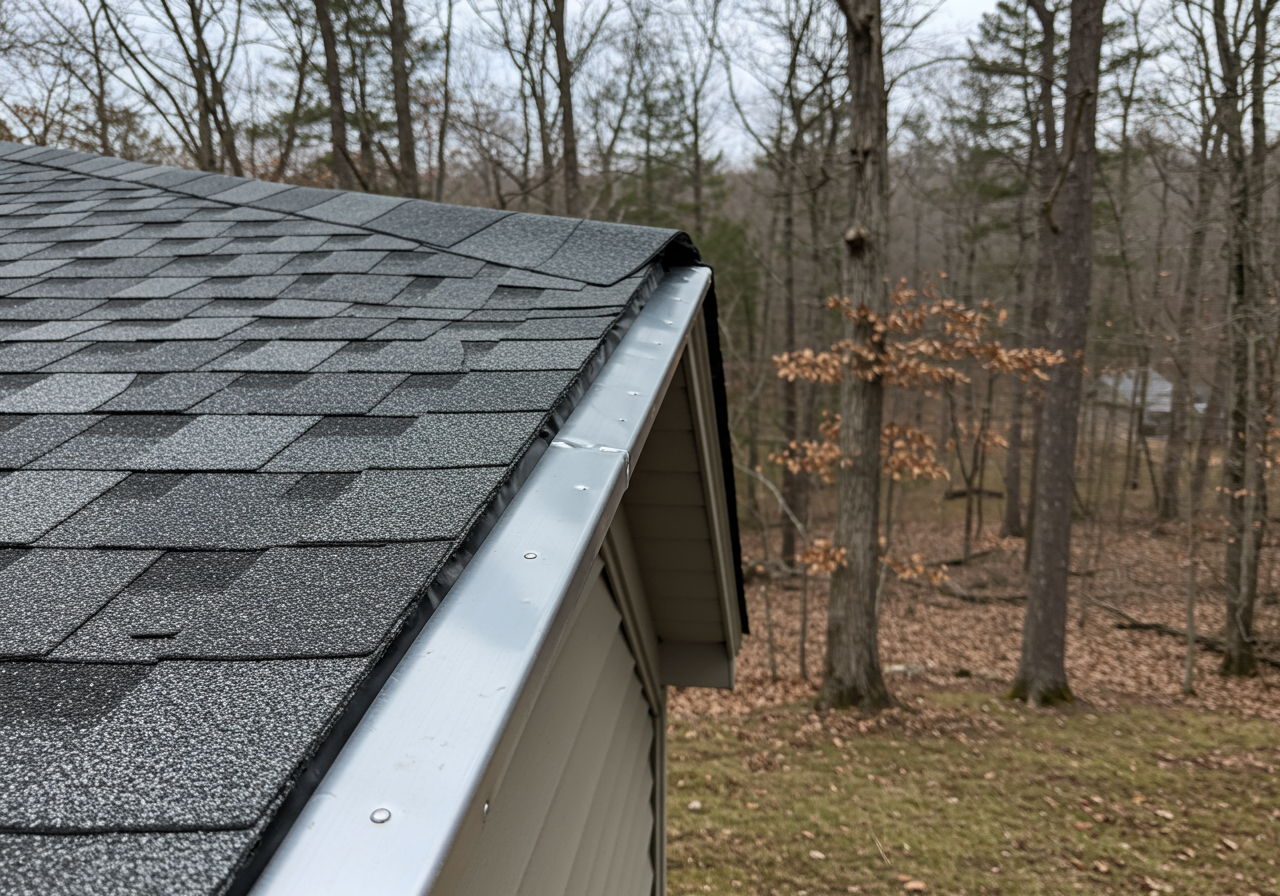
Hurricane-Proofing Your Eastford Roof
Proper installation techniques and materials make the difference between a roof that survives and one that fails during high-wind events.
Comparing Roof Resilience: Materials That Hold the Line
When we talk about hurricane prep in Windham County, the conversation usually starts with shingles. But there is a massive delta between "code minimum" and "storm-ready." Most standard architectural shingles are rated for 110 mph, which sounds like plenty until you account for the wind-tunnel effect created by Eastford's topography.
I've looked at hundreds of "failed" roofs, and the difference often comes down to the SBS (Styrene-Butadiene-Styrene) modified bitumen content. This is a rubberized asphalt that allows the shingle to flex rather than snap. If you're looking at a replacement, I generally steer my clients toward Class 4 impact-resistant options from brands like GAF or Owens Corning. They aren't just for hail; they have superior tear resistance during sustained wind loads.
Wind Resistance Rating by Material Type
The reality is that paying a bit more upfront for high-wind-rated materials is an insurance policy. In fact, the Better Business Bureau emphasizes that understanding your contract's material specifications is the only way to ensure you're getting what you pay for. Don't let a contractor "value engineer" your roof by swapping out the starter strips for cheaper alternatives.
The Technical Anatomy of a Storm-Proof Roof
Look, the shingles are just the visible part of the system. If the underlying structure isn't secured, the shingles are just a fancy tarp. One detail I always check in my field notes is the "nailing zone." In Eastford, where we get those swirling gusts off the hills, I insist on a "six-nail" pattern. Adding those extra two nails per shingle increases the wind warranty on many products from 110 mph to 130 mph for a negligible increase in labor cost (usually around $180–$320 for an average Eastford colonial).
Then there's the roof deck itself. According to the International Code Council's building standards, the way your plywood is attached to the rafters is the "last line of defense." If you're doing a full tear-off, I recommend having the crew check for "shiners"—nails that missed the rafter—and adding 8d ring-shank nails every six inches along the edges.
Technical Tip
I've seen houses in the Quiet Corner lose their entire gable end because of internal pressurization. It's not just about keeping water out; it's about keeping the air pressure balanced. If you're unsure about your current setup, it's worth having one of our verified contractors perform a specialized wind-uplift inspection.
Strategic Upgrades and Long-Term Savings
Homeowners often ask if these upgrades actually pay for themselves. The short answer: absolutely. Beyond the obvious benefit of not having a tree branch in your living room, there are financial incentives. While many think of "energy credits," some resilience upgrades can overlap with efficiency improvements. For instance, if you install a reflective "cool roof" that is also impact-rated, you might be able to consult the IRS Form 5695 guidelines for potential energy-related tax credits, though these rules change frequently.
"In 17 years of inspecting Eastford roofs, I've never seen a homeowner regret spending an extra $500 on hurricane clips, but I've seen dozens regret the $15,000 bill for a flooded second floor."
Don't wait for the next storm warning
Get an instant, data-backed roof estimate tailored for Eastford's unique terrain today.
No credit card required • Free to use
Frequently Asked Questions
If you're sitting there wondering if your current roof can handle a direct hit, don't guess. The "Quiet Corner" doesn't stay quiet forever, and the wind doesn't care about your "to-do" list. I've spent too many afternoons looking at saturated insulation to tell you anything else: get the data on your roof before the clouds turn gray.
Get Your Free Roof Quote
Enter your zip code to get started
I'm always updating my mental database of what works and what fails in Windham County. If you want to stay ahead of the curve, our roofing blog is packed with technical deep dives on everything from ice dam prevention to specific shingle warranties.