
Key Takeaways
- Sustainable roofing can reduce cooling loads by 27% through superior solar reflectance and thermal regulation.
- Standing seam metal roofs offer 50-70 year lifespans and 100% recyclability, making them the gold standard for Litchfield County.
- Solar-integrated shingles can offset 70-90% of household electricity, but roof orientation is critical for ROI.
- Recycled composite materials provide Class 4 impact resistance while matching historic CT aesthetics.
According to recent energy audits I've reviewed across Litchfield County, roughly 34% of a Bethlehem home's cooling load is a direct result of solar heat gain through the roof deck. In a town where we cherish our historic Colonials and sprawling farmhouses, the "standard" asphalt shingle is actually a significant thermal liability. Most homeowners don't realize that a dark-colored roof can reach temperatures exceeding 150°F on a clear afternoon, essentially turning your attic into an oven that your HVAC system has to fight 24/7.
Projected Material Lifespan in CT
The Thermal Physics of Bethlehem Rooflines
Here is the thing about our local architecture: the steep pitches common in Bethlehem (think 8:12 or 10:12 slopes) create massive surface areas for solar absorption. When I'm out in the field—perhaps near the Bethlehem Fairgrounds or along Route 132—I see too many homes where the shingles are literally "cooking" from the inside out because of poor thermal regulation. Sustainable roofing isn't just about being "green"; it's about physics and fluid dynamics.
Standard shingles are designed to absorb heat. In contrast, "cool" sustainable materials use specialized granules or finishes to reflect infrared radiation. I recently pulled field notes from a project near Flanders Road where we swapped a black architectural shingle for a reflective standing seam metal system. The homeowner saw their mid-summer electric bill drop by $142 in the first full month. That's not a fluke; it's the result of reducing the "heat soak" effect that plagues traditional roofing.
Metal Roofing: The 50-Year Litchfield County Solution
If you're looking for the gold standard in sustainability for the Northwest Hills, it is standing seam metal. I'm talking about 24-gauge steel with a Kynar 500 resin finish. Look, I know the aesthetic can be a hurdle for some traditionalists, but the data is hard to ignore. Metal is 100% recyclable at the end of its life, but more importantly, it can last 50 to 70 years. Compare that to the 15-to-18-year lifecycle we see with most asphalt products in our climate.
In my experience, metal performs exceptionally well against the heavy snow loads we get here in Bethlehem. The snow slides off before it can create the massive ice dams that tear apart gutters. When planning a project of this scale, I always recommend working with a vetted network of local installers who understand the specific flashing requirements for chimney transitions on older CT homes. If a contractor tries to tell you that "metal is too loud in the rain," they probably just don't know how to install the proper solid-decking underlayment.
The Albedo Effect
Solar Shingles and the Bethlehem Grid Reality
We are seeing a massive uptick in interest regarding integrated solar—specifically products like GAF Energy's Timberline Solar or CertainTeed's Solstice. Unlike the bulky "bolt-on" panels of the last decade, these are actual shingles that shed water while generating juice. For a typical 2,500-square-foot home in Bethlehem, a solar-integrated roof can often offset 70% to 90% of the household's annual electricity consumption.
But here is a technical detail most sales reps skip: your roof's orientation in Bethlehem is everything. If your primary slopes face North or are heavily shaded by the massive oaks common in our area, the ROI drops off a cliff. Before committing, you should verify the Residential Clean Energy Credit requirements to ensure your specific system qualifies for the 30% federal tax credit. I've seen homeowners save upwards of $9,000 on their total project cost just by timing the paperwork correctly with the IRS.
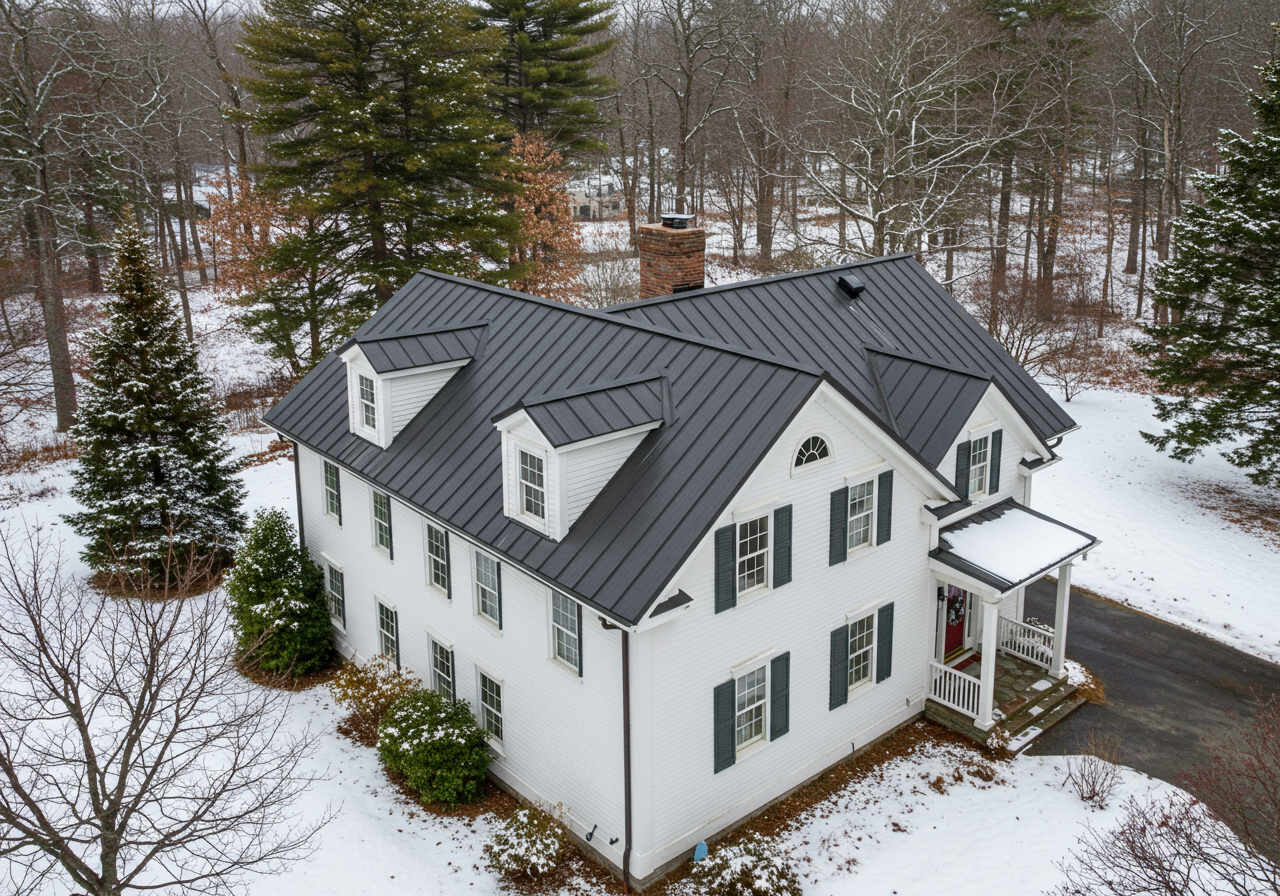
Sustainable Roofing Options in Bethlehem
Metal, solar, and composite materials offer superior energy efficiency for Connecticut homes
Recycled Composites: Durability Meets Aesthetics
For homeowners who want the look of hand-split cedar shakes or quarried slate without the maintenance nightmares, recycled composite shingles (like those from Brava or Euroshield) are the answer. These are often made from 95% post-consumer recycled content—think old tires and plastic bags. They are virtually indestructible.
I remember a storm that rolled through Litchfield County back in 2024; I went out to inspect a house in Bethlehem that had just installed composite slate. While the neighbors were picking up bits of broken asphalt and dealing with hail dings, this roof looked like it had just been installed that morning. These materials carry a Class 4 impact rating, the highest available. According to the International Code Council building standards, using impact-resistant materials can sometimes even lower your homeowner's insurance premiums in Connecticut, though you should check with your agent first.
Recycled Composite Analysis
Pros
- Exceptional hail resistance
- Matches historic CT aesthetics
- Diverts waste from landfills
Cons
- Higher initial investment
- Heavier than standard shingles
Navigating the Bethlehem Contractor Landscape
The biggest mistake I see isn't choosing the wrong material; it's choosing the wrong hands to install it. Sustainable roofing requires specific technical knowledge—proper torque for metal fasteners, specific wiring for solar, and unique ventilation requirements for high-performance decks. You can't just hire a "tailgate contractor" for a $30,000 sustainable upgrade.
I always suggest checking verified homeowner feedback before signing a contract. You want to see how these roofs are performing three or four winters down the line, not just three days after the crew leaves. Also, make sure your contract includes a detailed line-item breakdown of the underlayment. For sustainable roofs, I insist on high-temp ice and water shields, especially in the valleys. If you find yourself in a situation where a storm has compromised your current roof, you might need emergency roofing assistance to stabilize the structure before you can even begin the conversation about a long-term sustainable replacement.
Conduct a thermal attic audit
Measure current attic temperatures and identify heat gain sources before selecting materials.
Calculate your specific solar orientation
Use tools to determine your roof's solar window and potential energy generation capacity.
Compare 30-year lifecycle costs
Factor in material lifespan, energy savings, tax credits, and maintenance requirements.
Verify local Bethlehem building permits
Ensure your chosen materials meet local codes and obtain necessary permits before installation.
Apply for federal energy tax credits
Document your system specifications and file for the 30% Residential Clean Energy Credit.
Did You Know?
Bethlehem's average electricity rate is significantly higher than the national average, which accelerates the 'break-even' point for solar roofing by nearly 3 years compared to other states.
Get Your Free Roof Quote Today
Connect with verified CT pros in minutes.
No credit card required • Free to use
Summary of Your Sustainable Path
Transitioning to a sustainable roof in Bethlehem is a hedge against rising energy costs and the increasingly volatile New England weather. By focusing on materials with high solar reflectance and long lifecycles—like standing seam metal or recycled composites—you're protecting your home's envelope while reducing your carbon footprint. Remember to prioritize the technical specs over the sales pitch: look for high SRI (Solar Reflectance Index) values and verified impact ratings.
Get Your Free Roof Quote
Enter your zip code to get started