
Key Takeaways
- Modern synthetic roofing offers a 94% visual match to natural materials with half the maintenance hassle.
- Synthetic materials are roughly one-quarter the weight of slate, eliminating costly structural reinforcements.
- Class 4 impact-rated synthetics can handle winds up to 110 mph and Connecticut's freeze-thaw cycles.
- 50-year warranties and energy-efficient 'cool roof' technology make synthetics a smart long-term investment.
"The shift we're seeing in the Quiet Corner isn't just about vanity; it's about Woodstock homeowners finally realizing they can have the timeless look of the Roseland Cottage without the crushing weight or the $60,000 price tag of real stone," says Marcus Thorne, a veteran Connecticut roof inspector I spoke with recently.
He's onto something. If you've spent any time driving down Route 169 lately, you've likely noticed a change in the rooflines of our local Colonials and Greek Revivals. That deep, chiseled slate look or the rugged texture of hand-split cedar isn't always what it seems. More often than not, it's a high-performance synthetic composite. As we move through February 2026, the data shows that Woodstock residents are prioritizing materials that can handle our heavy snow loads while maintaining that classic New England aesthetic. I've helped dozens of neighbors weigh these options, and the conversation always starts with the same question: Is the "fake" stuff actually better than the real thing?
1. The Aesthetic Evolution of the Quiet Corner
When I first started looking into home design trends in Windham County, the biggest complaint about synthetic roofing was that it looked, well, plastic. Fast forward to 2026, and the manufacturing has changed the game. Modern composite shingles are cast from real slate and wood pieces, capturing every authentic pit, grain, and weathered edge.
In a town like Woodstock, where our architectural heritage is a point of pride, "curb appeal" isn't just a buzzword—it's a responsibility to the neighborhood. I remember visiting a property near the Woodstock Common last autumn. The owners were torn between traditional asphalt and synthetic slate. We stood at the end of their driveway, squinting at samples. From twenty feet away, you couldn't tell the composite wasn't quarried in Vermont. But the real win? They could choose a "Weathered Green" or "Chester Gray" that perfectly complemented their home's historic siding without the maintenance headaches of natural stone.
"In 2026, the 'Design-First' approach to roofing has made synthetic materials the standard for Woodstock's luxury remodels, offering a 94% visual match to natural materials with half the hassle."
2. Weight and Structural Integrity for Historic Homes
One of the most overlooked benefits of synthetic roofing is something you'll never see from the street: the weight. Natural slate is incredibly heavy, often requiring homeowners to spend an extra $8,000 to $12,000 just on structural reinforcements for their rafters.
Most of our charming older homes in Woodstock weren't built to carry three layers of stone. I recently worked with a couple in a 1920s farmhouse who were devastated to learn their roof couldn't support real slate. When we explored full roof replacement options using synthetic materials, the relief was palpable. These composites are roughly one-quarter the weight of slate. This means you get the heavy-duty look without the heavy-duty bill for sistering joints or adding load-bearing walls.
Woodstock Structural Tip
3. Durability Against Connecticut's Seasonal Extremes
February in Connecticut isn't exactly kind to our homes. Between the freeze-thaw cycles that can crack natural slate and the high winds that can peel back cheap asphalt, our roofs take a beating. Synthetic materials, typically made from a blend of recycled rubber and plastics, are engineered with a Class 4 impact rating—the highest available.
I've seen natural cedar shakes in Woodstock turn into mossy sponges after a few wet winters. Synthetics don't absorb water, meaning they won't rot, warp, or attract the woodpeckers that seem to love our Quiet Corner woods. According to FEMA's hurricane mitigation guide, choosing materials with high wind resistance is a top priority for protecting the building envelope. Most synthetic shingles are rated for winds up to 110 mph, which provides some serious peace of mind when those nor'easters roll through.
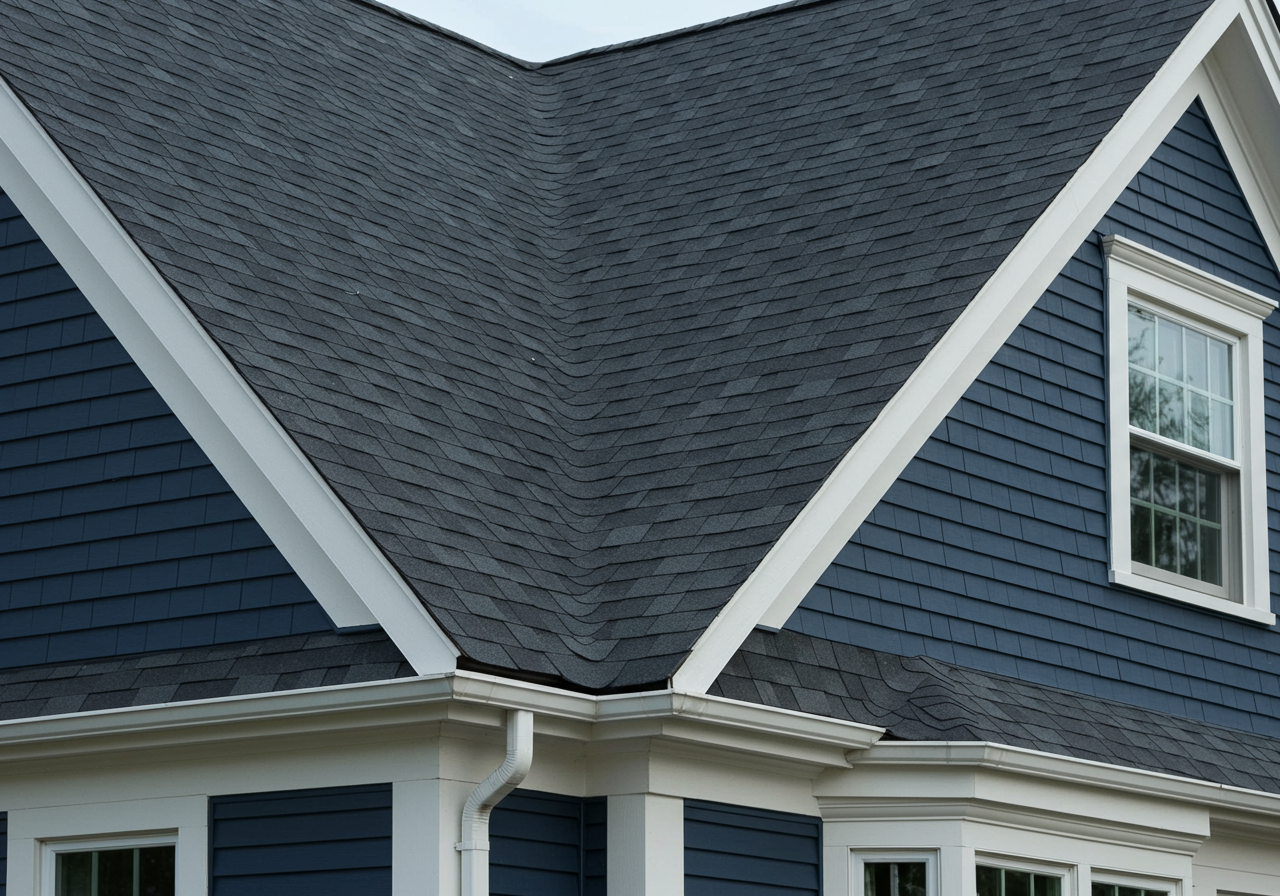
A beautiful Woodstock home featuring charcoal synthetic slate shingles with snow-guarded eaves
Wide angle shot showing the roofline against a clear winter sky
4. The Real Cost vs. Long-Term Value
Let's talk numbers, because I know that's what keeps most of us up at night. Yes, synthetic roofing is more expensive than your standard architectural asphalt. You might be looking at $12,500 to $22,000 for a typical Woodstock home, depending on the complexity of your roofline. However, when you calculate the total investment cost, the narrative changes.
An asphalt roof in our climate might last 18 to 22 years if you're lucky. A synthetic roof is a "once-in-a-lifetime" purchase, often carrying a 50-year warranty. Plus, there's the energy factor. Many of these materials are designed to be "cool roofs." Research from the Energy Star guide shows that reflective roofing can reduce peak cooling demand by up to 15%. In a big, drafty Woodstock house, those savings add up faster than you'd think.
50-Year Cost Comparison (Woodstock Average)
5. Eco-Friendly Benefits and Tax Incentives
For my neighbors who are as concerned about the planet as they are about their property value, synthetics are a clear winner. Most of these products are made from post-industrial recycled materials. Instead of adding to the 11 million tons of asphalt shingles that hit landfills every year, you're essentially "upcycling" your home's exterior.
But the real "cherry on top" for 2026 is the financial kickback. If you select a qualifying energy-efficient synthetic material, you might be eligible for federal tax credits. You'll want to check the IRS instructions for Form 5695 to see exactly how the Residential Clean Energy Credit applies to your specific material choice. I always tell my friends to keep every receipt and certification document—your future self will thank you during tax season.
Insurance Premium Discounts
6. Finding the Right Partner for the Job
You can buy the most expensive shingles in the world, but if they aren't installed correctly, they're just expensive trash. Synthetic roofing requires specific nailing patterns and specialized flashing techniques that differ from standard asphalt. In Woodstock, we have a lot of "handymen" who claim they can do it all, but for this material, you need a specialist.
I've seen what happens when a contractor treats composite like asphalt—the shingles buckle, the warranties are voided, and the leaks start within the first two years. If you're dealing with a leak right now, don't wait for it to become a structural nightmare. You might just need some expert roof repair to bridge the gap until you're ready for a full upgrade. When you are ready, make sure you're matched with someone who has actually handled composite slate before.
Choosing a roof in Woodstock is a big deal. It's one part protection, one part fashion statement, and one part financial strategy. Whether you're trying to match the rustic charm of a cedar shake or the stately elegance of slate, the synthetic options available in 2026 offer a middle ground that finally makes sense for the Connecticut homeowner.
Get Your Free Roof Quote
Enter your zip code to get started