Walking past the Madison Green this morning, I couldn't help but notice how the gray morning light hits the historic homes lining the square. It's 42°F and cloudy today—one of those typical April mornings where the air feels heavy with the scent of the Sound. While most people are thinking about the tulips starting to peek through the soil, I'm looking up at the rooflines. I've noticed a shift in our neighborhood lately. More of our neighbors are moving away from the "aisle 12" approach to home improvement and leaning into local Madison and New Haven County suppliers for their roofing materials. There's a specific logic to it that goes beyond just supporting local business; it's about getting a roof that actually survives our specific shoreline climate.
Key Takeaways
- Local suppliers stock shingles specifically treated for the 95% humidity levels common in coastal Madison.
- Sourcing materials nearby reduces "transit trauma," meaning fewer cracked or damaged shingles arriving at your driveway.
- Local supply chains often provide faster "hot-shot" deliveries for mid-project shortages compared to national retailers.
- Sourcing locally allows for better color matching with existing neighborhood aesthetics, like the classic Madison weathered-wood look.
The Logistics of Proximity: Why "Near" Means "Better"
When we talk about roofing a home on Middle Beach Road or tucked away near the Surf Club, we aren't just buying shingles. We're buying a logistical timeline. I remember a project a few years back where a homeowner ordered a beautiful designer slate-look shingle from a national warehouse. It sat on a railcar in Ohio, then a truck in Pennsylvania, and by the time it reached Madison, about 12% of the bundles were "bruised" from excessive handling.
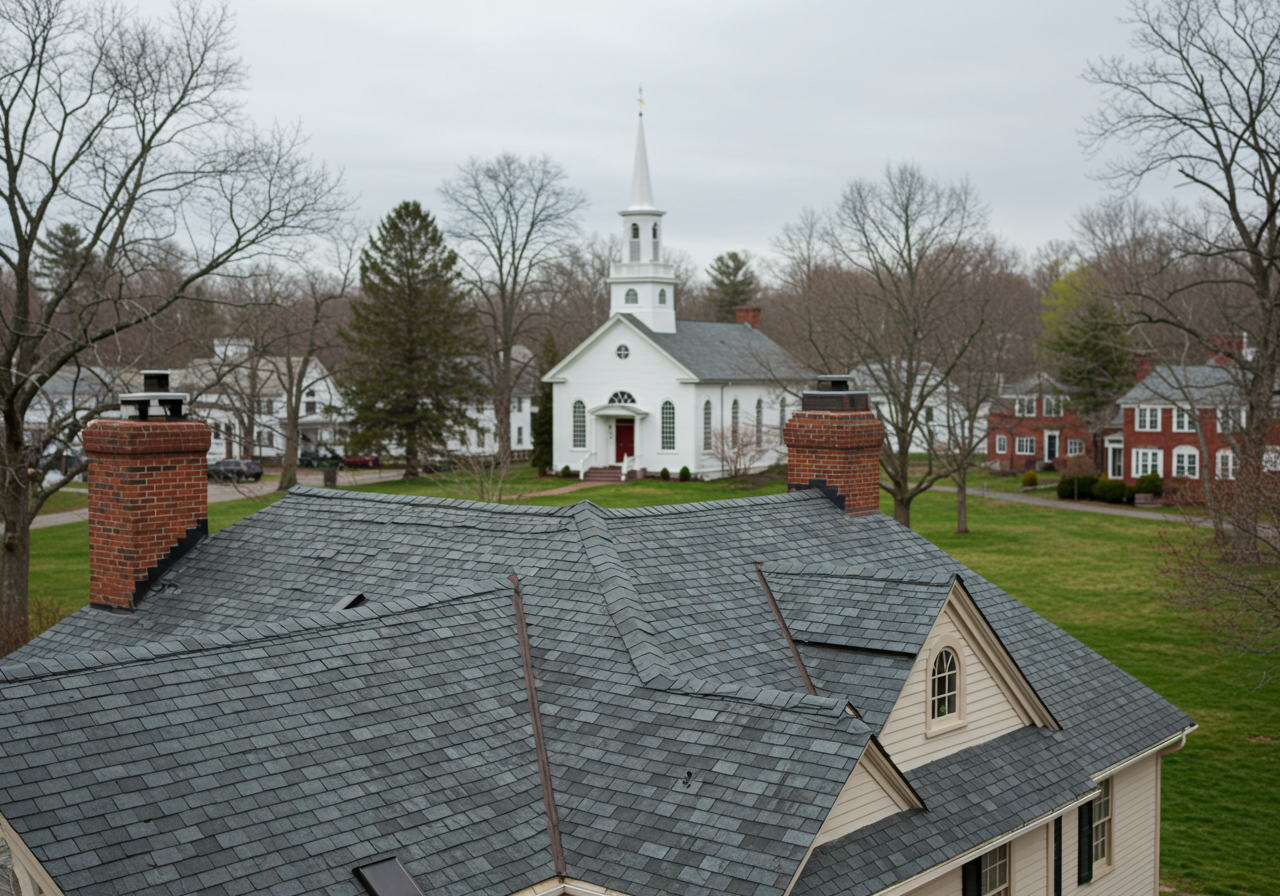
Madison Rooflines and Local Supply
Shorter supply loops help protect bundles and keep shoreline projects on schedule when weather windows are tight.
Local suppliers in the New Haven area operate on a much shorter loop. Because the materials aren't being cross-docked four times before hitting your lawn, the integrity of the shingle remains intact. Plus, if your contractor realizes they are three squares short on a Tuesday afternoon, a local warehouse can usually get a truck out by Wednesday morning. If you're dealing with a national chain, you might be looking at a week-long delay while a tarp flutters on your roof in the 5 mph breeze.
Lowering the "Transit Toll"
It isn't just about damage; it's about the bottom line. Heavy materials like asphalt shingles or metal panels incur massive shipping surcharges when they travel long distances. By staying local, we often see a reduction in "hidden" freight costs that can add $400 to $700 to a standard Madison roof replacement.
Curb Appeal and the Madison Aesthetic
Madison has a very specific "look," doesn't it? We value that understated, coastal elegance. When you walk into a local supplier, the staff generally knows exactly which charcoal or slate blend matches the historic district's requirements or the New England aesthetic we all love.
Local Supplier vs. National Big-Box Store
| Feature | Local Supplier | National Retailer |
|---|---|---|
| Coastal-Specific Inventory | ||
| Regional Color Expertise | ||
| Contractor-Only Grade Materials | ||
| Custom Flashing Options | ||
| Bulk Consumer Pricing |
I always tell my friends that your roof is a conversation with the rest of the street. Choosing a material that is stocked locally means you're picking from a palette that has already been "vetted" by other Madison homes. You won't accidentally end up with a shingle color that looks great in a desert climate but looks completely washed out under our gray, cloudy April skies.
Fighting the 95% Humidity Factor
Here is the technical reality: with the humidity sitting at 95% today, Madison roofs are basically giant petri dishes for gloeocapsa magma—that's the black algae that causes those ugly streaks. Local suppliers in Connecticut prioritize stocking "algae-resistant" shingles that use higher concentrations of copper granules.
Why the North-Facing Slope Matters
If you have a home with significant tree cover near Hammonasset, your north-facing roof slope is a prime target for moss. Local suppliers carry underlayments and ventilation systems designed for our specific dew points. A shingle designed for the dry air of the Midwest just won't perform the same way when it's wrapped in a Madison sea fog.
Expert Tip
The Contractor-Supplier Connection
There is a "secret" handshake in the roofing world. The best contractors in our area have deep, decades-long relationships with local supply house managers. This matters to you because it means your contractor has "clout." If there is a warranty issue, a local supplier will advocate for you with the manufacturer.
When you verify your contractor's registration through the state, you're looking for professional stability. Part of that stability is their credit line and reputation with local yards. A contractor who buys locally is a contractor who is invested in the New Haven County community. They aren't just passing through; they are part of the local economy.
Sourcing Materials from Local Madison-Area Suppliers
Pros
- Expert knowledge of CT building codes
- Fresher inventory (less 'shelf-life' degradation)
- Superior advocacy during warranty claims
- Supports the local New Haven County economy
Cons
- Slightly higher per-bundle price than some sales
- Limited 'DIY' assistance compared to big-box stores
Get Your Free Roof Quote Today
Connect with verified CT pros who source materials through trusted local yards.
No credit card required • Free to use
Freshness Matters: The "New" Shingle Advantage
Believe it or not, shingles have a shelf life. Asphalt is a petroleum product; it's designed to be flexible. When bundles sit in a massive, overheated national distribution center for eighteen months, they can become brittle.
I've seen "bargain" shingles that were so dried out they cracked the moment they were nailed down. Local suppliers move their inventory fast because they are the primary source for the busy roofing season in Connecticut. When the truck pulls up to your Madison driveway, you want shingles that are fresh, supple, and ready to seal properly in the spring sun.
If you're curious about how these material choices impact your total project cost, our library of roofing guides has several deep dives into the price-to-performance ratio of different brands common in our area.
Step-by-Step: Selecting Your Madison Material Source
If you're ready to start the process, don't just pick the first shingle you see online. Follow this local-first approach:
Define your architectural style
Identify whether your home reads Colonial, Cape, Modern, or another form factor so samples can be narrowed quickly.
See shingles in natural light
Visit a local New Haven County showroom to view full-sized samples outdoors—not just under fluorescent aisles.
Ask about shoreline warranties
Request which brands offer the strongest manufacturer support for coastal humidity and wind exposure.
Request preferred installers
Ask the supplier for crews who regularly pull from that yard; familiarity speeds deliveries and fixes mistakes faster.
Cross-check credentials and reviews
Compare those installers against local reviews and state licensing boards before you sign.
Before you sign any dotted lines, I highly recommend that you read what other Connecticut homeowners experienced when they transitioned from cheap materials to high-quality local options. It's often the difference between a roof that lasts 15 years and one that lasts 30.
Also, remember that Connecticut home improvement consumer protections are there to ensure your contract is fair and your materials are as promised. I always suggest checking the Better Business Bureau's home improvement resources to see whether a supplier or contractor has a history of resolving disputes fairly.
Expected Lifespan of Locally Sourced Materials in Madison
Choosing local isn't just a "feel good" move—it's a strategic one. In a town like Madison, where our homes are our greatest investments, the quality of the components we put on top of them matters. We're looking for materials that can handle 95% humidity, salty air, and the occasional nor'easter. By keeping your supply chain close to home, you're ensuring that your roof is built for the Madison life.
Get Your Free Roof Quote
Enter your zip code to get started
Frequently Asked Questions

About Sheri Wilde
Verified ExpertSheri Wilde is a Home Improvement Editor with a background in interior design and sustainable living. She helps Connecticut homeowners make informed decisions about their biggest investments.