Key Takeaways
- Summer heat can cause $482+ in annual cooling costs if your roof isn't properly ventilated and insulated.
- Attic temperatures can reach 150°F in poorly ventilated homes, baking shingles from both sides.
- Reflective 'cool roof' materials can reduce roof surface temperatures by up to 48°F compared to standard dark asphalt.
- Proper ventilation, insulation, and material choice work together to protect your roof and reduce energy bills.
"The biggest threat to a roof in Tolland County isn't always the snow we see in January; it's the invisible infrared radiation that pummels the asphalt for twelve hours a day every July," says Mark Henderson, a veteran forensic roof inspector I've consulted with for years. He's right, you know. While we all worry about the weight of a Nor'easter, the slow-motion bake of a New England summer is what actually turns your shingles into brittle potato chips.
Living here in Andover, we're surrounded by beautiful, dense woods, but those clearings where our homes sit become absolute heat magnets. I've walked through plenty of attics near the Veteran's Memorial Field where the air was so heavy and hot it felt like stepping into a preheated oven. It's not just uncomfortable—it's a financial drain. If you haven't looked at how your roof handles the sun lately, you're likely leaving money on the table (or letting it drift out through your ridge vent). Let's walk through the five ways we can keep your home from becoming a backyard toaster.
1. The Attic Ventilation Checkup
I remember visiting a colonial-style home over on Bunker Hill Road last summer. The homeowners were frustrated because their second-floor bedrooms wouldn't cool down, no matter how hard the AC cranked. When we looked in the attic, the problem was obvious: the previous contractor had installed beautiful new siding but accidentally blocked the soffit vents. The house couldn't breathe.
Think of your roof like a pair of lungs. It needs to inhale cool air from the eaves and exhale hot air through the peak. When that flow stops, heat builds up until it has nowhere to go but down into your bedrooms.
Inspect Soffit Vents
Inspect your soffit vents from the ground to ensure they aren't painted over or clogged with debris.
Check for Light
Head into the attic (carefully!) during a sunny day to check if you can see light filtering in from the eaves.
Verify Insulation Clearance
Verify that insulation isn't packed tightly against the roof deck, which blocks airflow.
Clear Ridge Vent
Check that your ridge vent is clear of pine needles or stray branches from our Andover oaks.
If you find your attic is consistently hotter than the outdoors by more than 15 or 20 degrees, it's time to estimate your potential project cost for a ventilation upgrade. It's often a much smaller fix than a full replacement, but the relief is instant.
2. Choosing Reflective "Cool Roof" Materials
We often choose roof colors based on what looks good with our shutters, but in 2026, the technology has moved far beyond just "black or gray." I'm a huge fan of the "conversation with the block" approach—you want a roof that looks classic but performs like a high-tech shield.
Standard dark asphalt shingles absorb about 70% to 90% of the solar energy that hits them. That's a lot of heat soaking into your plywood. However, "Cool Roof" shingles use specially coated granules that reflect that energy back into the atmosphere. According to the Energy Star cool roof ratings, these materials can stay significantly cooler than traditional options, which means your AC unit doesn't have to work nearly as hard.
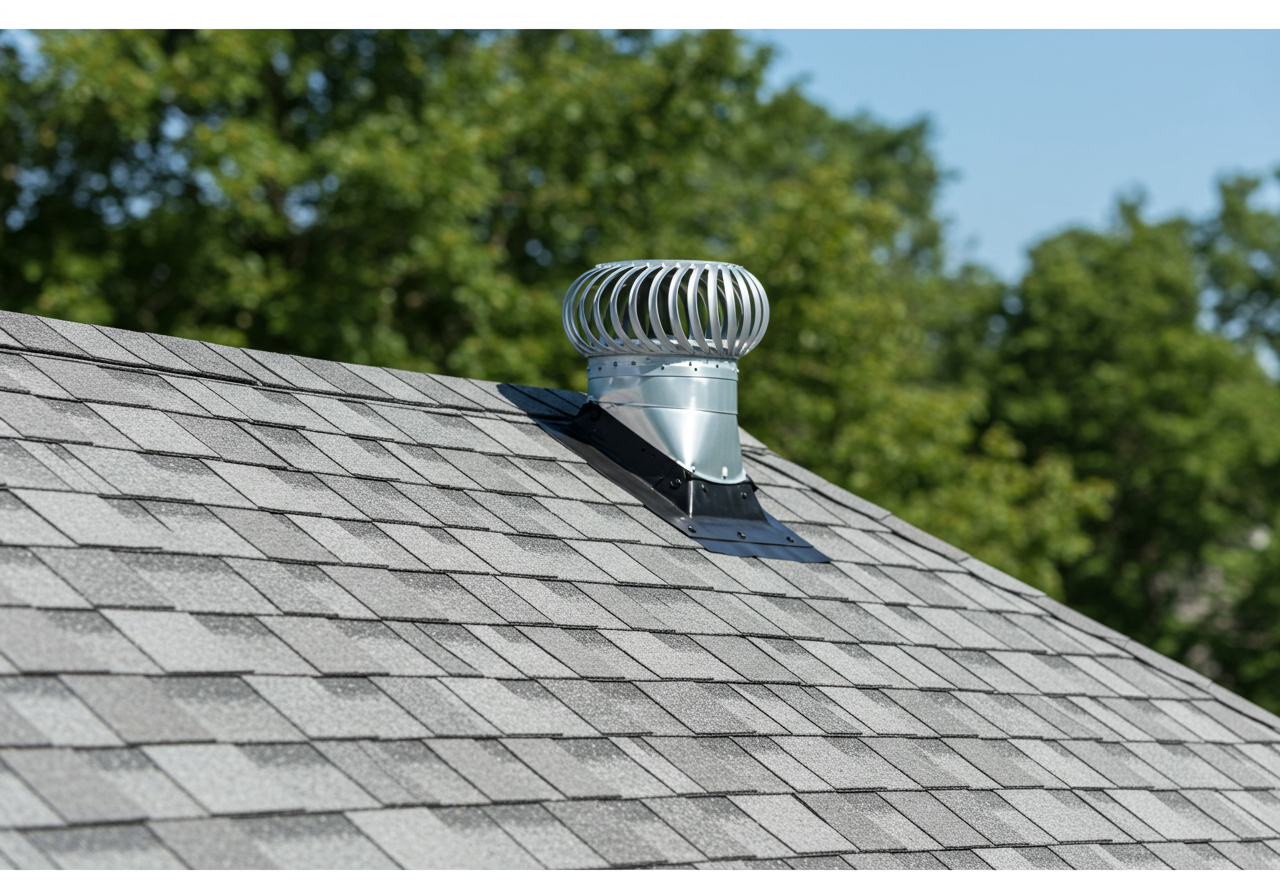
Cool Roof Technology in Andover
Reflective shingles can reduce roof surface temperatures by up to 48°F
I recently helped a friend near Andover Lake pick out a shingle that had these reflective properties. We went with a "Frosted Slate" color—it had that soft, weathered look that fits right in with our local historic aesthetic, but it felt remarkably cool to the touch even in direct sun.
3. The Power of Radiant Barriers and Insulation
Sometimes the best protection happens just under the surface. If you aren't ready to swap out your shingles yet, you can still fight the heat from the inside. I've seen homeowners in Tolland County save a surprising amount by installing a radiant barrier—essentially a thin layer of reflective foil—on the underside of the roof rafters.
Did You Know?
A properly installed radiant barrier can reduce attic temperatures by as much as 28°F, significantly lowering the heat transfer into your living space.
But here is the catch: insulation and heat protection go hand-in-hand. While the roof keeps the heat out, the insulation keeps the "cool" in. If your insulation is original to a 1970s build, it's likely settled and lost its R-value. I always tell people that if you can see your floor joists in the attic, you don't have enough insulation. Combining a reflective roof with beefed-up insulation is how you actually see that $482 average savings on your annual energy bill.
"Your roof line is a design choice, not just a cost. When we plan for heat, we're designing for a home that stays quiet and comfortable, even when the humidity hits 90%."
4. Why Material Choice Changes the Game
Not all materials are created equal when the sun is beating down. While asphalt is the standard around Andover, metal and tile (though rarer here) handle thermal expansion very differently. Metal roofing, for instance, has a low "thermal mass," meaning it doesn't hold onto heat once the sun goes down.
Summer Heat Performance by Material
| Feature | Asphalt Shingles | Reflective Metal | Synthetic Slate |
|---|---|---|---|
| Low Heat Retention | |||
| High Solar Reflectivity | |||
| Low Thermal Expansion Risk | |||
| Long Lifespan (40+ Years) |
Asphalt can expand and contract significantly during our wild CT temperature swings. This "thermal shock" is what causes shingles to curl at the corners. If you've noticed your roof looking a bit "wavy" after a heatwave, it might be suffering from this exact issue. Research from the EPA's research on urban heat islands shows that choosing highly reflective materials doesn't just help you—it helps the whole neighborhood stay a little cooler.
5. Maintenance: The "Silent" Heat Protection
It sounds simple, but keeping your roof clean is a form of heat protection. Dark streaks on your roof aren't just an eyesore; they are often Gloeocapsa magma, a type of algae that feeds on the limestone in your shingles. Because these streaks are dark, they create "hot spots" on your roof that absorb more heat than the clean areas.
And let's talk about those summer storms. Heat weakens the adhesive bond on older shingles, making them more susceptible to being lifted by the wind. I've seen many cases where a week of 90-degree days followed by a sudden thunderstorm led to shingles flying off into the neighbor's yard. According to FEMA guidelines for wind-resistant systems, maintaining the structural integrity of your roof's attachment points is vital, especially when heat has made the materials more pliable.
If you're worried about how your roof weathered the last heatwave, I highly recommend connecting with vetted local professionals who understand Andover's specific climate. They can spot the early signs of heat fatigue before they turn into emergency repair services during a summer downpour.
Get Your Free Roof Quote
Enter your zip code to get started
Staying ahead of the heat isn't just about comfort; it's about protecting the biggest investment you own. By focusing on ventilation, smart material choices, and regular checks, you ensure your home remains the sanctuary it's meant to be—no matter how high the mercury climbs.
Frequently Asked Questions

About Sheri Wilde
Verified ExpertSheri Wilde is a Home Improvement Editor with a background in interior design and sustainable living. She helps Connecticut homeowners make informed decisions about their biggest investments.