Key Takeaways
- Standard dark shingles can reach 160°F, while 'cool' shingles stay up to 50°F cooler.
- Old Saybrook homes near the water face unique humidity-driven heat retention issues.
- The most common mistake is upgrading shingles without addressing the attic's thermal envelope.
- Federal tax credits and local energy rebates can offset up to 30% of high-efficiency material costs.
Most Old Saybrook homeowners don't realize their dark asphalt shingles are essentially giant heat magnets that force air conditioning units to work roughly 25% harder than necessary. Living along the Middlesex County shoreline, we deal with a specific brand of humid heat that standard roofing materials just aren't designed to shed efficiently. When I'm walking a property near Saybrook Point, I can often feel the radiant heat blasting off a roof from ten feet away. It is a massive drain on your wallet and your HVAC system's lifespan.
The Thermal Reality of Shoreline Roofing
In my field notes from the last few summers, I've documented roof deck temperatures on North Cove Road hitting a staggering 164°F. That isn't just a "hot roof"—that is a literal oven sitting on top of your living room. Standard asphalt shingles absorb about 70% to 90% of the solar radiation that hits them. In a dense, coastal environment like ours, that heat doesn't just dissipate; it migrates downward into your attic and eventually your bedrooms.
The physics here are simple but punishing. According to the EPA, cool roofing materials are designed to reflect more sunlight and absorb less heat. We measure this using the Solar Reflectance Index (SRI). A typical black shingle has an SRI of about 1 to 5. A high-quality "cool" shingle, like the GAF Timberline CS series I often recommend, can push that number north of 25. For a 2,400-square-foot colonial in Old Saybrook, that difference can mean the difference between an attic that stays at 110°F versus one that spikes to 145°F.
Why Reflectivity Beats Bulk Insulation Every Time
I often hear homeowners say they'll just "add more fiberglass" to solve the heat problem. While the Department of Energy recommends a whole-house approach to energy, insulation only slows the transfer of heat; it doesn't stop it from entering the structure in the first place. Think of it like a thermos—if you leave it in the sun long enough, the coffee inside still gets warm. A cool roof acts more like a mirror, bouncing the energy away before it ever hits your R-49 batts.
The mistake I see every single week in Old Saybrook is homeowners spending $15,000 on a standard roof replacement and then wondering why their July Eversource bill is still $450. They missed the opportunity to integrate solar-reflective granules. These granules are specially engineered to reflect infrared light (the stuff that carries heat) while still looking like a traditional shingle to satisfy your neighbors or local historic boards.
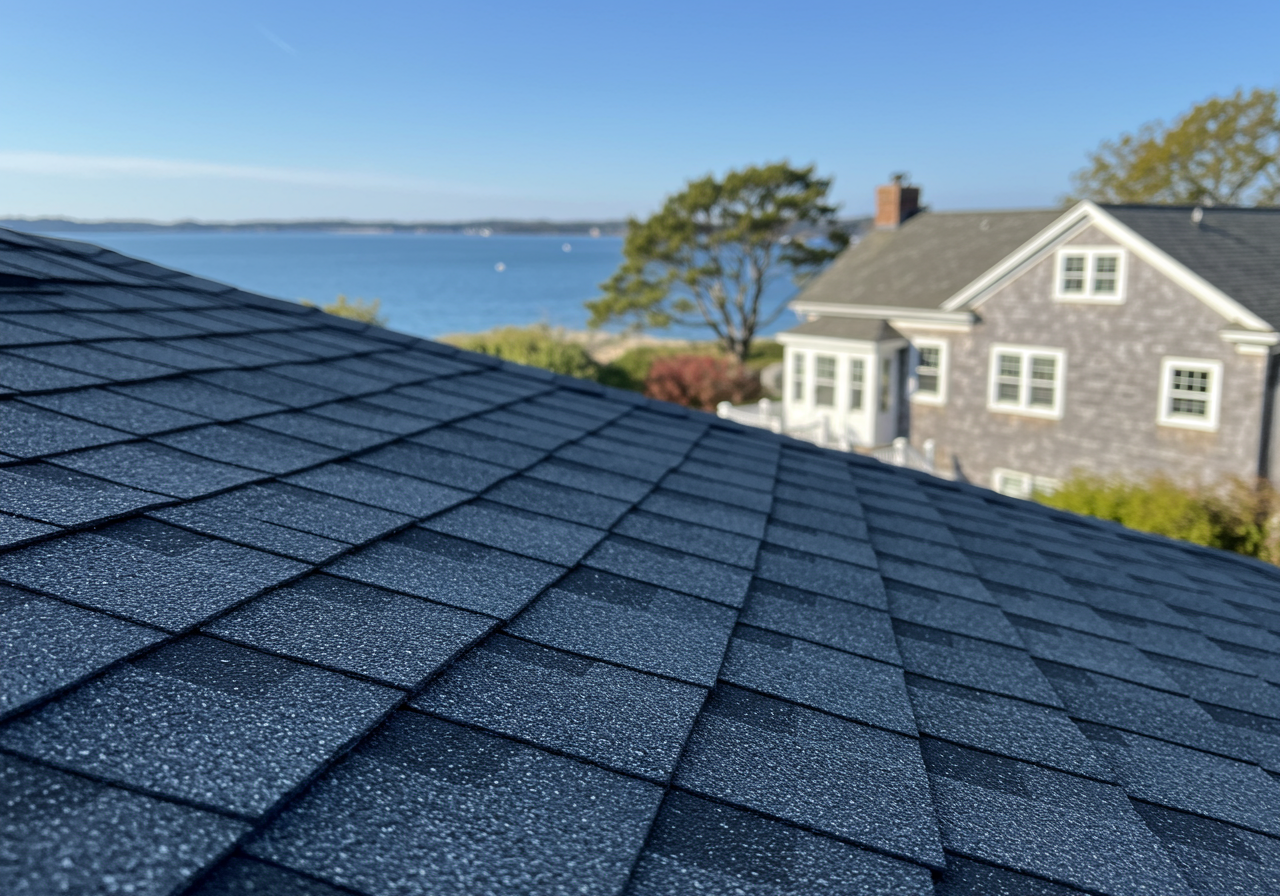
Cool Roof Technology in Old Saybrook
Understanding how reflective materials reduce heat absorption and energy costs
The Installation Blunder That Costs $340 Per Year
Here is the thing: a cool roof is only as good as the air moving underneath it. I recently inspected a home near Fenwick where the owner had installed high-end reflective shingles but kept their old, clogged soffit vents. The result? The shingles were reflecting heat, but the small amount of heat that did get through was trapped because the "lungs" of the house were choked.
If a contractor doesn't talk to you about the International Code Council (ICC) standards for net free ventilating area, they aren't doing their job. For every 300 square feet of attic floor, you need at least one square foot of vent area. In our humid coastal climate, I actually prefer a 1:150 ratio to account for the moisture coming off the Sound. If you skip this, you're basically wearing a high-tech rain jacket with no zipper—you're going to sweat.
The 'Power Vent' Trap
Choosing the Right Material for the Middlesex Shoreline
Not all cool roofs are created equal. In Old Saybrook, we have to balance "cool" properties with "salt air" durability. While a white TPO flat roof is the king of reflectivity, it doesn't exactly fit the aesthetic of a 1920s cottage. This is where metal roofing and specialized asphalt shingles come into play.
Cool Roof Material Comparison
Pros
- High SRI (0.25+)
- Class A fire rating
- Classic look
Cons
- Slightly higher material cost
- Fewer color options
Metal roofing is arguably the best "cool" option for the shoreline because it sheds heat almost instantly once the sun goes down. However, the initial investment is higher. For those looking for the best ROI, the new generation of "Cool Series" shingles provides about 85% of the benefit for about 20% of the additional cost over standard shingles. When you get an instant roof estimate, make sure you're comparing these high-performance options rather than just the "builder grade" stuff that will bake your attic.
Calculating the Real ROI in Old Saybrook
Let's talk hard numbers because that's where the "mistake" usually happens. A standard roof for a typical Old Saybrook home might run $12,400. Upgrading to a cool-rated shingle might push that to $13,850. That $1,450 difference seems like a lot until you look at the 17-year lifecycle of the roof.
Annual AC Costs Comparison
Between the 15-20% reduction in cooling loads and the extended life of your AC compressor (which doesn't have to cycle nearly as often), the upgrade usually pays for itself in less than five years. Plus, there are federal tax credits under the Inflation Reduction Act that specifically target "Energy Star" certified roofing products. I've seen homeowners claw back $500 to $1,200 just by choosing the right shingle SKU.
Your Path to a Lower Energy Bill
If you're staring at a roof that's over 15 years old, you're already losing the energy battle. The granules are likely gone, and the "thermal mass" of the old shingles is just soaking up the sun. The first step isn't picking a color; it's understanding the data behind your specific home's orientation and shading.
I always tell people that how our matching process works is designed to take the guesswork out of this. We connect you with local pros who actually understand the difference between an SRI of 10 and 20. Don't just settle for a "new" roof—get a "smart" roof. The technology exists to keep your home comfortable without handing over your entire paycheck to the utility company.
Ready to stop the heat?
Get a precise, instant estimate for a cool roof from verified Old Saybrook contractors.
No credit card required • Free to use
The bottom line is that the "cool roof mistake" isn't just about the shingles; it's about failing to see the roof as a component of your home's energy system. Address the reflectivity, fix the ventilation, and watch your summer comfort skyrocket.
Frequently Asked Questions
Get Your Free Roof Quote
Enter your zip code to get started

About Daniel Roberts
Verified ExpertDaniel Roberts is a Senior Roofing Consultant with over 15 years of experience in the New England residential construction industry. He specializes in storm damage assessment and energy-efficient roofing systems.