Most Southington homeowners are leaving exactly $1,200 on the table when they replace their roofs because they don't understand how the Energy Efficient Home Improvement Credit actually works in 2026. It isn't some "green energy" myth or a complex loophole. It is a straightforward line-item math problem. If you live anywhere from the Plantsville historic district to the newer builds near Lake Compounce, you need to know that the IRS doesn't just hand out money for a standard shingle swap. You have to be intentional.
I've seen dozens of residents get quoted for a "cool roof" only to find out at tax time that the specific material didn't meet the Section 25C requirements. That is a frustrating, preventable mistake. The reality is that top-tier contractors in Hartford County use these credits as a closing tool, but they don't always explain the technical hurdles you have to jump over to actually see that money back in your pocket.
Key Takeaways
- The $1,200 Limit: Energy-efficient roofing products qualify for a 30% credit, capped at $1,200 annually.
- SRI is King: Only shingles with specific Solar Reflectance Index (SRI) ratings qualify; standard architectural shingles usually do not.
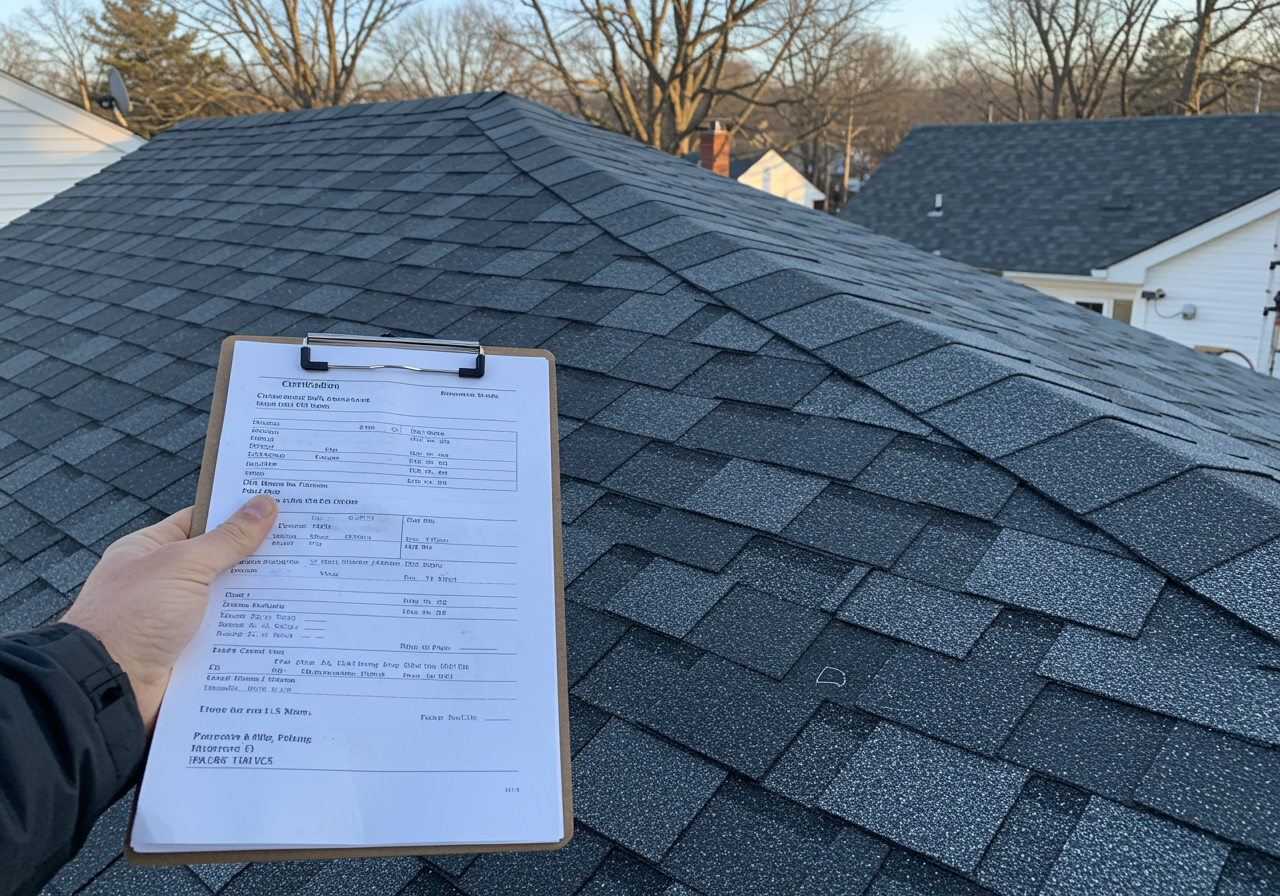
- Documentation: You must have the Manufacturer's Certification Statement and a detailed receipt breaking out material costs from labor.
- Timing: 2026 is a critical year for these credits before potential legislative shifts; filing correctly is paramount.
Understanding Tax Credits for Energy-Efficient Roofing
Know what qualifies before you sign the contract
The 25C Credit Reality Check for Hartford County
Here is the thing: the IRS isn't paying for your new roof. They are incentivizing the extra cost of energy-efficient materials. Under the current Inflation Reduction Act guidelines that we are navigating in February 2026, the credit covers 30% of the material cost, but it hits a ceiling at $1,200.
I recently audited a quote for a homeowner on Meriden-Waterbury Turnpike. The contractor told them the "whole roof was 30% off." That is a flat-out lie. The credit applies only to the "energy-efficient building envelope components," which translates to the shingles and specifically the metal components if they have the right cooling pigment. Labor is excluded. If your total material cost for qualified shingles is $4,500, 30% would be $1,350—but you only get $1,200.
Why Labor Costs Don't Count
Unlike solar panel installations where the 30% applies to the whole "turnkey" price, roofing is restricted. You need to make sure your contractor provides a breakdown of material vs. labor costs on your final invoice. If they hand you a single "lump sum" number, the IRS is going to have a field day rejecting your claim. I always tell my clients: if it isn't on a separate line, it doesn't exist to the tax man.
The Southington "Solar-Ready" Distinction
In our neck of the woods, many people are looking at solar-ready roofs. Be careful here. A roof that is ready for solar isn't the same as the solar system itself. While the solar panels might qualify for a different, uncapped credit, the shingles underneath them usually fall back into the $1,200 capped bucket. Don't let a slick salesperson conflate the two to make the numbers look better than they are.
Comparing Materials: Reflective Shingles vs. Standard Asphalt
Not all "Energy Star" shingles are created equal. In Southington, our weather ranges from humid July afternoons to these biting February mornings. You need a shingle that handles both. Most standard architectural shingles have a solar reflectance of about 0.10 to 0.15. To qualify for the tax credit, you generally need products that meet or exceed much higher SRI standards.
Qualifying vs. Non-Qualifying Materials
| Feature | Standard Architectural | Reflective 'Cool' Shingles |
|---|---|---|
| Federal Tax Credit Eligible | ||
| Reduces Attic Temp (Summer) | ||
| CT Winter Heat Retention | ||
| Available in Dark Colors |
The Aesthetic Trade-off
Here is the catch that most contractors won't mention until you've already picked a color: qualifying "cool" shingles are often lighter in tone. If you have your heart set on a deep "Charcoal" or "Onyx Black" to match your Southington colonial, you might struggle to find a qualifying product. Brands like GAF and Owens Corning have "Cool Series" lines, but they lean toward grays and tans.
Upgrading to Energy-Efficient Shingles
Pros
- Direct reduction in federal tax liability
- Lower AC bills during CT summers
- Increased lifespan of roof deck due to lower heat
- Potential for local utility rebates
Cons
- Higher upfront material cost (approx. 15-20%)
- Limited color palette compared to standard lines
- Requires more rigorous documentation for the IRS
The "Line-Item" Audit: How to Verify Your Credit Eligibility
Before you sign anything, you need to play detective. I've seen homeowners get burned because they assumed "Energy Star" meant "Tax Credit Eligible." That isn't always the case anymore. You need the Manufacturer's Certification Statement. This is a signed document from the manufacturer (like GAF or CertainTeed) stating that this specific shingle meets the IRS requirements for Section 25C.
Your Negotiation Script
When you are sitting at your kitchen table with a contractor, don't just ask "Is this energy efficient?" Ask this instead: "Can you provide the Manufacturer's Certification Statement for this specific shingle SKU, and will your final invoice break out the material cost separately from the labor and disposal fees?" If they hesitate or say "We'll figure that out later," they aren't the pro you want.
Vetting the Source
In Connecticut, we have strong protections, but you still have to do the legwork. Check the Connecticut consumer protection guidelines to ensure your contract includes the required notices. I also recommend that every Southington homeowner verify their contractor's license through the state portal before discussing tax-incentivized upgrades. If they aren't registered, your tax credit is the least of your worries.
Select a shingle with a certified Solar Reflectance Index (SRI) over 20.
Check the manufacturer's specifications and look for the SRI rating on product sheets or certification documents.
Request a line-item quote that separates material costs from labor.
Your contractor should provide a detailed breakdown showing shingle costs, underlayment, flashing, and labor as separate line items.
Download the Manufacturer's Certification Statement for your specific shingle model.
This document proves to the IRS that your materials qualify. Keep it with your tax records.
Save the final paid invoice and the certification for your 2026 tax filing (Form 5695).
You'll need both documents when filing your taxes. The invoice must clearly show material costs separate from labor.
Financing and Timing: Why February 2026 is Your Strategic Window
Why am I writing this now, in the dead of winter? Because February is the best time to negotiate. Most Southington roofing crews are looking at their spring calendars and trying to fill the gaps. If you can schedule a repair or a full replacement now, you have more leverage to ask for the premium energy-efficient shingles at a lower markup.
Stacking Your Savings
Don't stop at the federal credit. In Connecticut, we often have regional incentives through Eversource or Energize CT. Sometimes, these programs offer rebates for increased attic insulation performed at the same time as a roof replacement. If you can combine a $1,200 federal credit with a $500 insulation rebate, you've suddenly wiped out the "premium" cost of the better shingles.
Always ask for the 'Cash Price' first
Dealing with the Paperwork
When tax season rolls around next year, you'll use IRS Form 5695. But remember, Dana's Rule #1: Don't let the contractor "file it for you." They can't. You need the receipt. If you are ever unsure about a contractor's reputation or how they handle these technical specs, reading through our blog library can give you more insights into local Hartford County red flags.
Get Your Free Roof Quote
Enter your zip code to get started
FAQ
The bottom line is simple: the $1,200 is yours if you are willing to look at the line items. Don't let a contractor's "all-inclusive" price mask the savings you are entitled to. Demand the certification, demand the breakout, and keep your money in Southington, not Washington.
I've seen too many people trust a handshake only to find out their "efficient" roof was just a standard shingle with a fancy name. Take control of the math, and you'll find that a better roof actually costs less than the cheap one.

About Dana Jackson
Verified ExpertDana Jackson is a Homeowner Advocate & Cost Analyst who helps Connecticut families navigate the financial aspects of roofing projects. She specializes in finding the best value and avoiding common pricing pitfalls.