
Key Takeaways
- Energy Star roofs cost 12-18% more upfront but can save $150-$300 annually on cooling costs.
- Federal tax credits up to $1,200 can offset the premium, making Energy Star roofs financially viable for long-term homeowners.
- Improper installation voids Energy Star certification—always verify contractor credentials before signing.
- Weston's climate benefits significantly from reflective roofing, reducing summer energy bills by up to 15%.
When you're standing in your Weston driveway, looking up at a roofing quote that's $2,400 higher because it says "Energy Star Certified," your first thought is probably: "Is this worth it?" I've spent years helping Fairfield County homeowners navigate this exact decision, and I can tell you that the answer isn't always yes—but when it is, the savings are real.
The Energy Star program, run by the EPA and Department of Energy, certifies roofing products that meet strict energy efficiency standards. These roofs reflect more sunlight and emit heat better than standard materials, which means your attic stays cooler in the summer. But here's what contractors don't always tell you: that certification only matters if the installation is done correctly, and the premium price tag only makes sense if you plan to stay in your home long enough to see the payback.
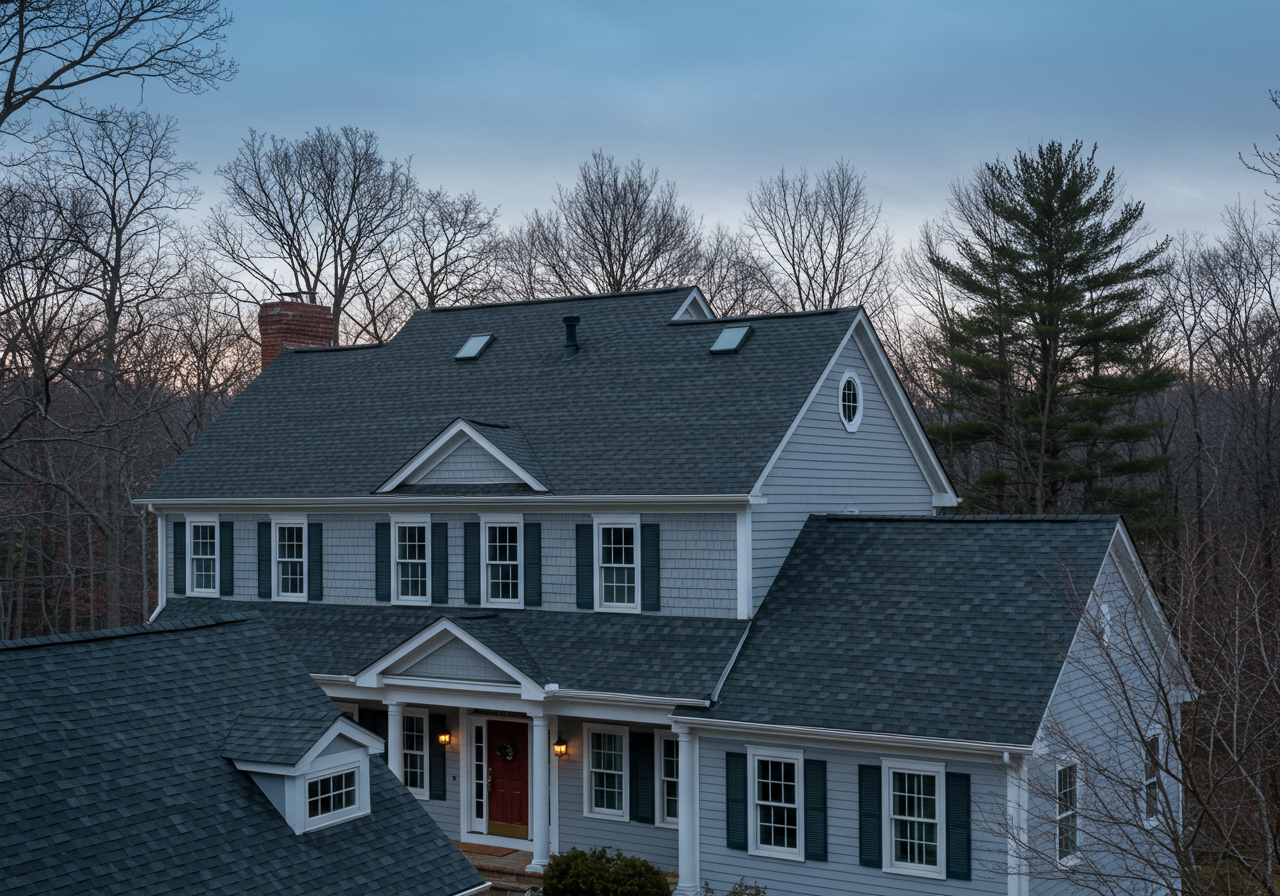
Energy Star Roof Installation in Weston
Proper installation is critical to achieving the energy savings promised by Energy Star certification.
Understanding Energy Star Roofing: What You're Actually Buying
Energy Star certification isn't just a sticker on a shingle bundle. To earn that label, roofing materials must meet specific Solar Reflectance Index (SRI) requirements. For steep-slope roofs (most residential homes), the minimum SRI is 25. Standard dark asphalt shingles typically have an SRI around 5, which means they absorb 95% of solar heat. Energy Star-rated shingles reflect significantly more heat, keeping your roof surface up to 50°F cooler on a hot summer day.
But here's the critical detail many homeowners miss: Energy Star certification applies to the product, not the installation. If your contractor installs Energy Star shingles incorrectly—say, without proper ventilation or with inadequate insulation—you're paying the premium but not getting the performance. That's why I always recommend working with verified contractors who specialize in energy-efficient installations rather than just any roofer who happens to stock Energy Star materials.
Did You Know?
Energy Star roofs can reduce peak cooling demand by up to 15%, which is especially valuable during Connecticut's humid summer months when AC units work hardest.
The Real Cost Analysis: Premium vs. Standard
Let's talk numbers. For a typical 2,500-square-foot Weston home, standard architectural shingles might cost around $14,200 installed. Energy Star-rated shingles from the same manufacturer typically add $1,800 to $2,700 to that price—roughly a 13-19% premium. That's a significant upfront difference, especially if you're financing the project.
Average Roofing Costs by Material Type (2,500 sq ft home)
However, the cost difference isn't just about materials. Energy Star installation often requires additional attention to ventilation, insulation, and flashing details that standard installations might skip. A contractor who truly understands energy-efficient roofing will factor in these elements, which can add another $800-$1,200 to the project. But here's the thing: those details are what actually deliver the energy savings, so they're not optional if you want the certification to mean something.
Energy Star vs. Standard Roof Comparison
| Feature | Standard Roof | Energy Star Roof |
|---|---|---|
| Energy Star Certified | ||
| Reflects Solar Heat | ||
| Qualifies for Tax Credits | ||
| Requires Specialized Installation | ||
| Higher Upfront Cost |
Tax Credits and Financial Incentives: The Real Savings
Here's where Energy Star roofs get interesting financially. The federal government offers tax credits for energy-efficient home improvements, and Energy Star-certified roofing qualifies. As of 2026, you can claim up to $1,200 in tax credits for qualified energy-efficient roofing materials. This isn't a deduction—it's a credit, which means it directly reduces your tax bill dollar-for-dollar.
Tax Credit Eligibility Requirements
Connecticut also offers additional incentives through utility companies. Eversource and United Illuminating sometimes provide rebates for energy-efficient home improvements, though these programs change annually. Before you commit to an Energy Star roof, check the Energy Star website for current federal tax credit information and contact your local utility to see what rebates might be available.
Tax Credit Timing
Common Installation Pitfalls: What Can Go Wrong
This is where I see homeowners lose money. Energy Star certification means nothing if the installation doesn't follow best practices. I've reviewed dozens of "Energy Star" installations in Weston that failed to deliver promised savings because of these common mistakes:
Inadequate Ventilation
Energy Star roofs need proper attic ventilation to work effectively. Without adequate intake and exhaust vents, heat builds up regardless of roof reflectivity. Many contractors install Energy Star shingles but skip the ventilation upgrades.
Poor Insulation
A reflective roof won't help if your attic insulation is compressed or insufficient. Energy Star performance requires R-38 to R-49 insulation levels. Check your attic before committing to the premium roof.
Incorrect Installation Methods
Some contractors install Energy Star shingles using standard techniques that can void the certification. Always verify your contractor is trained in Energy Star installation practices and ask to see their certification credentials.
Missing Documentation
To claim tax credits, you need Energy Star certification paperwork. Some contractors forget to provide this documentation, leaving homeowners unable to claim the credit. Get everything in writing before work begins.
"I've seen too many Weston homeowners pay the Energy Star premium only to discover their contractor didn't follow proper installation protocols. The certification sticker doesn't guarantee performance—proper installation does."
Installation Quality
Energy Star certification requires proper ventilation, insulation, and installation techniques.
Warranty Protection
Improper installation can void both Energy Star certification and manufacturer warranties.
Financial Risk
Without proper installation, you pay the premium but don't get the energy savings or tax credits.
Calculating Your Real ROI: Is It Worth It?
Let's run the numbers for a typical Weston scenario. Say you're replacing a 2,500-square-foot roof:
- Standard roof: $14,200
- Energy Star roof: $16,500 (includes proper installation)
- Premium difference: $2,300
- Federal tax credit: -$1,200
- Net premium: $1,100
Now, let's assume you save $180 per year on cooling costs (a conservative estimate for Weston). At that rate, your payback period is just over 6 years. If you plan to stay in your home longer than that, the Energy Star roof makes financial sense. But if you're selling in 3-4 years, you're unlikely to recoup the premium.
30-Year Total Cost Comparison
Including upfront costs, energy savings, and tax credits
However, there's another factor to consider: resale value. While Energy Star roofs don't always add dollar-for-dollar value at sale time, they can make your home more attractive to energy-conscious buyers. In Weston's competitive market, that can be the difference between a quick sale and a house that sits on the market.
Get Your Free Energy Star Roof Quote Today
Connect with verified Weston contractors who specialize in energy-efficient installations.
No credit card required • Free to use
The 'Premium Without Performance' Trap
Before you sign any contract, make sure you're comparing apples to apples. A quote for an Energy Star roof should include ventilation upgrades, insulation assessment, and proper installation techniques. If a contractor is just swapping shingles and charging more, you're not getting what you're paying for. That's why I always recommend researching energy-efficient roofing options thoroughly and getting multiple quotes from contractors who specialize in this work.
For more information on federal energy efficiency programs, check the Department of Energy's tax credit guide. And remember, the best Energy Star roof is one that's properly installed by a qualified contractor who understands both the materials and the installation requirements.
Get Your Free Roof Quote
Enter your zip code to get started