
Key Takeaways
- Integrated Systems: Energy efficiency isn't just about shingles; it's the synergy between ventilation, underlayment, and attic insulation.
- Material Matters: Selecting high-reflectivity or thermally stable shingles can reduce heat transfer by up to 22% in some Connecticut homes.
- Local Timing: January is the ideal time to audit your roof's performance before the unpredictable 'mud season' prevents major structural inspections.
- Contractor Vetting: Efficiency-focused roofing requires specialized knowledge of CT building codes and airflow dynamics.
A few months back, I spent a morning with a family living in a beautiful 1970s colonial near the Silvermine River. Like many folks in Wilton, they were frustrated. Despite keeping the thermostat at a modest 68 degrees, their heating bills were climbing faster than a summer thunderstorm. They'd already upgraded their windows and blown in extra insulation, but the heat was still vanishing. When I climbed up into their attic, the issue was clear: their roof was essentially acting as a giant radiator, sucking heat out of the living space and venting it into the cold January air. We tracked their progress after a targeted system overhaul, and the results were a masterclass in Fairfield County home performance. This wasn't just about "fixing a leak"; it was about engineering a thermal envelope that actually kept the furnace from running 24/7.
The Silvermine Retrofit: A Case Study in Heat Retention
The family I mentioned—let's call them the Millers—had a roof that looked "fine" from the driveway. No missing shingles, no obvious streaks. But a thermal imaging camera told a different story. Heat was pouring out through the ridge vent and stagnant pockets of air were trapped in the soffits. In Wilton, where our winters can oscillate between bone-chilling freezes and damp thaws, this creates a double whammy: high energy bills and the perfect recipe for ice dams.
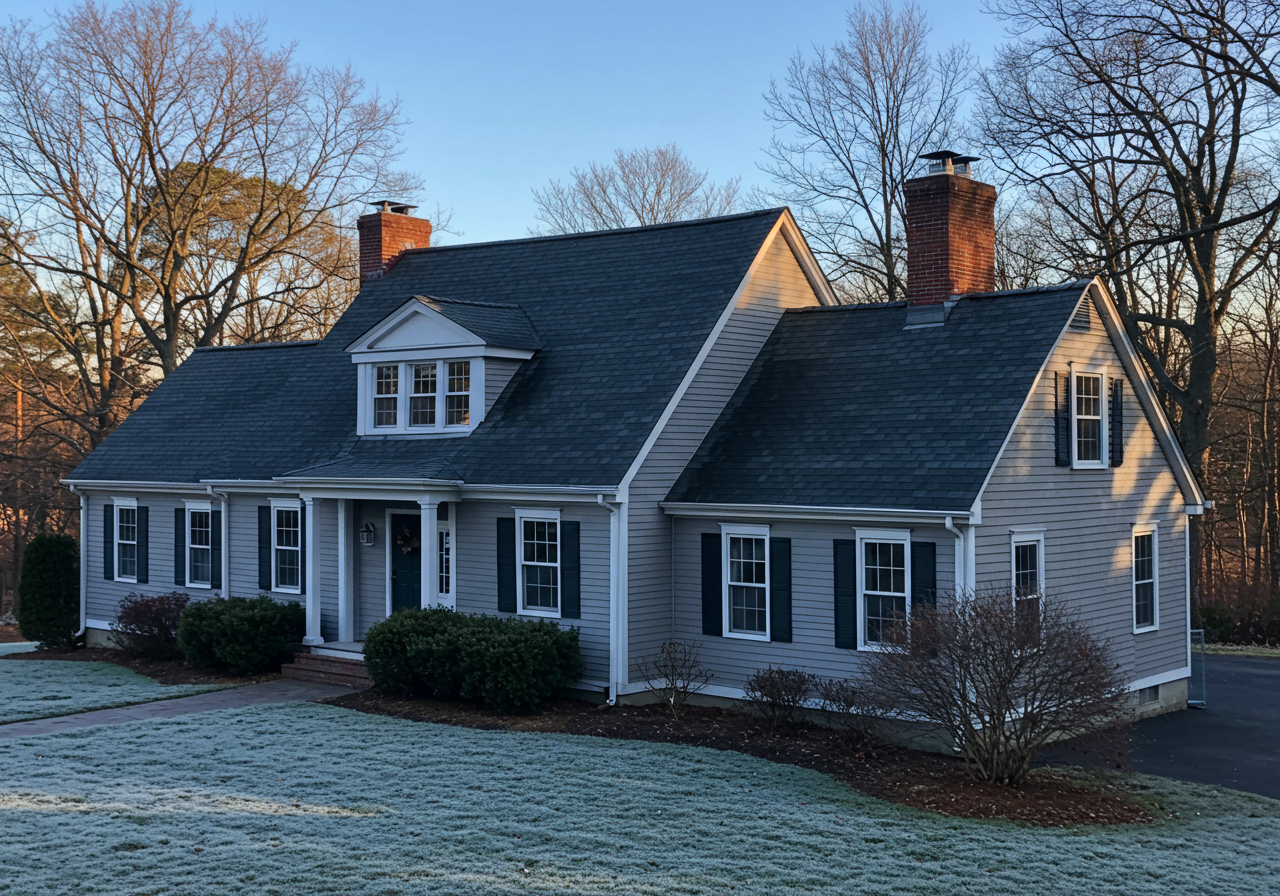
Wilton Roof Efficiency Project
Thermal imaging reveals heat loss patterns in a typical Fairfield County home
We looked at their data from the previous three winters. By investing in a strategic roof replacement that included a high-density radiant barrier and an upgraded ventilation system, they didn't just protect their home from the rain. They effectively added a "thermal hat" to their property. Within the first two months of 2026, their heating oil consumption dropped by 18%. That's not just a statistic; it's a tangible difference in their monthly budget that will pay for the roof's premium features long before the warranty is up.
Why Your Current Roof Might Be a Heat Sink
Most roofs in Fairfield County were designed for protection, not performance. Older asphalt shingles absorb a staggering amount of solar radiation, and if your attic isn't breathing correctly, that heat gets trapped. In the summer, it cooks your AC. In the winter, poor insulation allows the heat you paid for to migrate into the attic, where it does nothing but melt snow and cause structural rot.
Did You Know?
A poorly ventilated roof can reach internal temperatures of 150°F in the summer, which significantly degrades the plywood decking over time and forces your HVAC to work 30% harder.
But here is the thing: heat doesn't just move up; it moves toward cold. If your roofing system lacks a proper thermal break, you're essentially trying to heat the entire neighborhood. I often tell people to look at their roof after a light frost. If the frost disappears in certain patches but stays in others, you're looking at "heat leaks" in real-time. It's a visual diagnostic tool that's more accurate than any sales pitch.
Shingle Selection: Beyond the Curb Appeal
When homeowners near Wilton Town Center start picking out shingles, they usually focus on the color. "Does it match the shutters?" is the most common question. But in 2026, the technical specs matter more than the aesthetic. Modern "cool" shingles use granules that reflect infrared radiation. Even in a Connecticut winter, the sun provides a surprising amount of thermal energy that can either help or hinder your home's climate.
Annual Energy Savings by Roofing Material (CT Estimates)
I've seen dozens of projects where the homeowner opted for a slightly more expensive shingle—usually about $950 extra for the whole job—and saw that cost returned in energy savings within four years. According to Energy Star's guide on cool roofs, these materials can lower the roof surface temperature significantly. This isn't just for California; it's vital for our humid, variable Northeast climate.
The Attic Connection: Ventilation and Insulation Synergy
You cannot talk about energy-efficient roofing without talking about the attic. It's the "lungs" of your house. If you seal a roof too tight without proper intake at the soffits, you'll end up with mold. If you leave it too open, you're throwing money out the window. It's a delicate balance that many "storm chaser" contractors completely ignore.
When I'm reviewing a project, I look for the 1:300 rule—one square foot of ventilation for every 300 square feet of attic floor. In Wilton, where many homes have complex rooflines and multiple gables, achieving this balance is an art form. Sometimes, addressing minor roof repairs like fixing a blocked baffle can do more for your comfort than a whole new furnace.
"The roof is the most critical component of the building envelope. If the attic isn't managed as part of the roofing system, you're essentially leaving the front door open all winter long."
Vetting Contractors for Energy-Focused Installs
Wilton is a "Gold Coast" town, which unfortunately means we get our fair share of contractors who inflate prices without adding value. If you're looking to reduce your heating costs, you need a pro who understands R-values and thermal bridging, not just how to swing a hammer.
Before you sign anything, you should verify your contractor's license to ensure they are registered to work in Connecticut. Beyond that, I highly recommend reading up on Connecticut's consumer protection laws regarding home improvements. A contractor who scoffs at questions about attic insulation or ridge vent airflow isn't the one you want on your roof.
Always ask for a 'system warranty' rather than just a 'shingle warranty.'
Planning Your 2026 Upgrade for Maximum ROI
If you're noticing high bills this January, don't wait until the July humidity hits to start your research. The best time to plan an efficiency upgrade is right now, while the performance gaps are most obvious. Most Wilton homeowners find that a "whole-roof" approach—shingles, underlayment, and attic venting—provides the highest ROI.
Impact of Comprehensive Efficiency Upgrades
Energy savings potential compared to baseline
If you find yourself in an emergency situation with a sudden leak during a winter thaw, it's tempting to just patch it and move on. But that's a missed opportunity. Every repair is a chance to improve the thermal integrity of your home. By the time the spring rains arrive in Fairfield County, you could already be seeing the benefits of a more efficient, better-engineered roof.
At ZikQuote, we specialize in cutting through the noise. We match you with verified local contractors who understand that a roof in Wilton needs to do more than just look pretty—it needs to perform.
Get Your Free Roof Quote
Enter your zip code to get started