
Key Takeaways
- February's thermal shock cycles cause the most structural stress, not summer storms.
- Salt air and coastal humidity accelerate metal flashing corrosion, leading to hidden leaks.
- The 'pivot period' in late February is the optimal window for maintenance before spring contractors get booked.
- Proper ventilation can prevent $500+ in summer cooling costs and extend roof life by 6-9 years.
I remember walking down near Gulf Beach last February. A neighbor was out on his lawn, staring up at a massive row of icicles—the kind that look like translucent spears—hanging right over his front door. He thought it looked "scenic," a perfect New England postcard moment. I had to be the bearer of bad news. Those frozen spikes weren't just winter decor; they were a glaring red flag that his attic was leaking heat like a sieve, melting snow that was refreezing at the eaves.
That's the reality of Milford winters. The damage doesn't always look like a gaping hole in the ceiling or a missing bundle of shingles after a Nor'easter. Most homeowners in our corner of New Haven County wait until they see a literal puddle in the living room to think about their roof. But the real "facts" of maintenance are hidden in the timing and the subtle shifts in our coastal climate. If you aren't watching the transition from the deep freeze to the muddy thaw, you're missing the window to save your wallet from a major hit.
The "Quiet Season" Myth and the Reality of Thermal Shock
There's a common misconception in Connecticut that roofing is a "summer-only" concern. The truth is, February is often when the most significant structural stress occurs. While the air might feel stagnant, your roof is performing a violent physical dance. During the day, the sun hits those dark shingles, warming them up; then, as soon as the sun drops behind the Milford skyline, the temperature plummets. This rapid expansion and contraction—what we call thermal shock—can cause older shingles to become brittle and crack.
I've looked at countless inspection reports from the last few winters, and the data is consistent. We see a spike in "fatigue cracks" in roofs that are over 12 years old during this exact month. This is also when the weight of accumulated snow starts to compress your insulation, leading to those ice dams I mentioned earlier. If you're noticing recurring ice buildup near your gutters, it's a sign that your ventilation is failing. Addressing these minor roof repair services now, before the heavy spring downpours start in April, is the difference between a $450 fix and a $4,500 mold remediation project.
Did You Know?
Did you know that a single inch of ice weighs about 5 pounds per square foot? On a standard 2,000-square-foot Milford roof, that's an extra 10,000 pounds of pressure pushing down on your home's frame.
Why Salt Air and New Haven County Humidity Accelerate Aging
Living in Milford offers beautiful views of the Sound, but your roof pays a "scenic tax" every single day. The salt-heavy air and the unique humidity levels we get here in New Haven County create a microclimate that is significantly more aggressive than what you'd find up in Hartford or Litchfield. Salt is corrosive, and while asphalt shingles are resilient, the metal flashing around your chimneys and dormers isn't invincible.
I've spent years tracking how these coastal microclimates beat up local homes. The salt spray acts as a catalyst for oxidation on older galvanized flashing. Once that flashing pinholes, water finds a direct path into your roof deck. Furthermore, our humidity levels during the transition into spring encourage the growth of Gloeocapsa magma—that black, streaky algae you see on many roofs along the Post Road. It's not just an eyesore; it's a living organism that eats the limestone filler in your shingles.
Professional Inspection vs. DIY Binocular Check
Pros
- Professional Inspection: Detects internal moisture, identifies flashing corrosion, safe for the homeowner.
- DIY Binocular Check: Completely free, can be done from the sidewalk.
Cons
- Professional Inspection: Small upfront cost ($200-$400).
- DIY Binocular Check: Misses soft spots, can't see 'hidden' flashing leaks, doesn't check attic ventilation.
The Critical Spring Pivot: Catching Winter Fatigue Early
As we head toward the end of February, we enter the "pivot" period. This is the most underrated window for maintenance in the entire calendar year. Why? Because the snow has usually cleared enough to see the shingle surface, but the spring contractors aren't fully booked yet. According to FEMA's hurricane mitigation guide, ensuring your roof envelope is sealed before the high-wind season is the single most effective way to prevent catastrophic loss.
In my field notes from the 2024 season, I noticed that homeowners who did a "post-winter" check-up found small issues—like popped nails or loose ridge vents—that would have become major leaks during our typical April thunderstorms. If you're unsure where your roof stands in its lifecycle, using a roofing cost calculator can help you weigh whether it's time to keep patching or if you're nearing the end of the road. It's better to have a plan in place in February than to be frantically calling contractors while water is dripping onto your dining table in May.
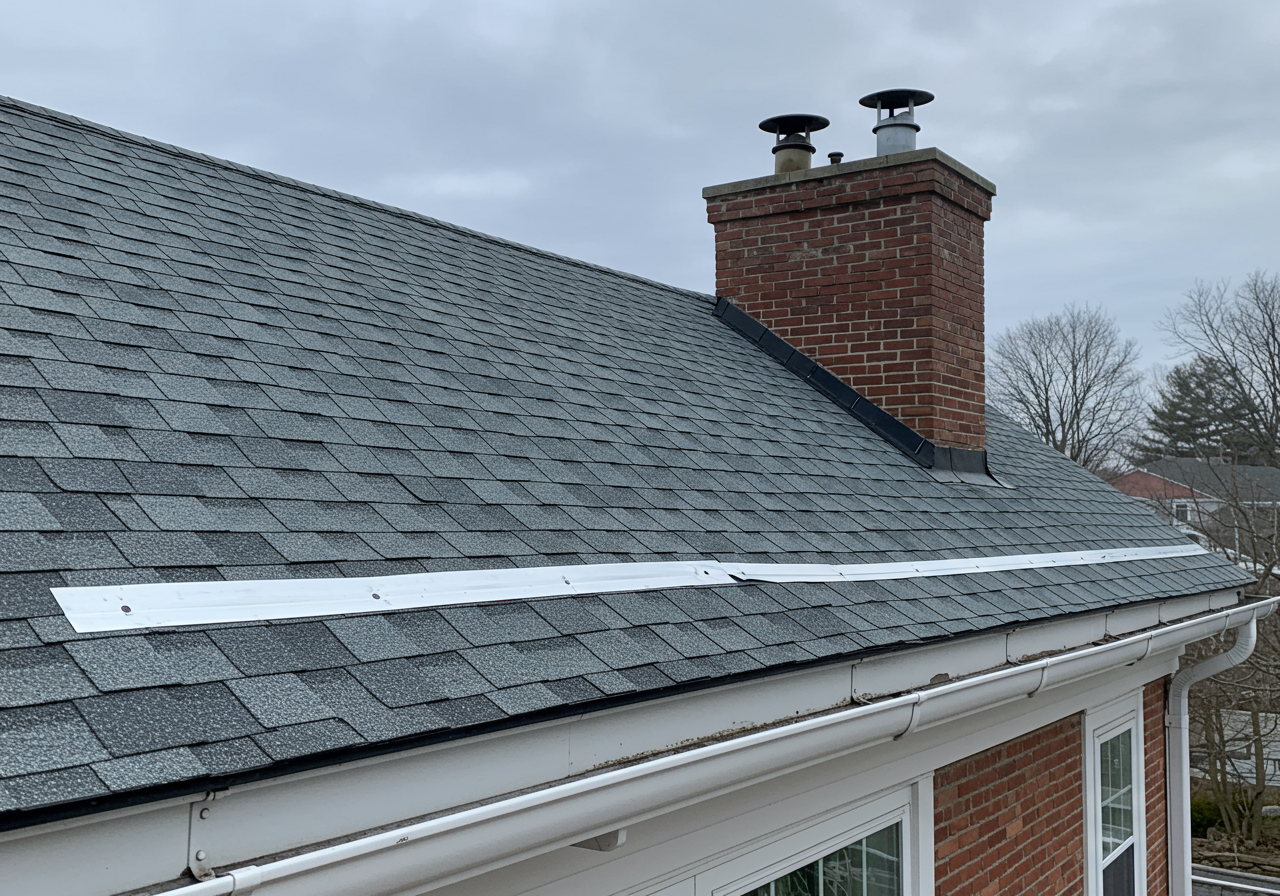
Winter Roof Maintenance in Milford
Professional inspection during the pivot period can catch small issues before they become costly spring leaks.
Summer Heat Defense and Sustainable Long-Term Thinking
Maintenance isn't just about stopping leaks; it's about managing energy. As we look toward the warmer months, the focus shifts from moisture to heat. A roof that isn't maintained—meaning gutters are clogged and vents are blocked—becomes a giant radiator sitting on top of your house. Research from Energy Star shows that poorly ventilated roofs can reach temperatures 50 to 60 degrees higher than the ambient air.
In Milford, where we get those humid summer stretches, an unmaintained roof forces your A/C to work overtime. Part of your seasonal schedule should include a "ventilation audit." Are the soffit vents clear of bird nests or old insulation? Is the ridge vent free of debris? I once visited a colonial over near Silver Sands where the homeowner complained of $500 electric bills in July. We found that their "maintenance" had completely ignored the airflow, essentially baking the shingles from the inside out.
Estimated Roof Lifespan in Milford (Years)
Building a Resilient 12-Month Defense Strategy
The key to keeping your home dry in Milford isn't a one-time "big fix"; it's a rhythm. Every February, I suggest a specific routine: clear the gutters of any remaining fall debris that stayed frozen all winter, check the attic for daylight peeking through (a sure sign of a hole), and look for shingle granules in your downspouts. If your downspouts look like they're filled with coffee grounds, your shingles are shedding their protective layer.
When the damage has gone beyond what a simple cleaning can fix, it's time to be honest about the structure. I've seen many neighbors try to "nurse" a 25-year-old roof through one more winter, only to end up paying double because of interior water damage. If you've reached that point, you're better off when you upgrade to a new roof system that uses modern, high-wind-rated materials designed for coastal New England. It's an investment in peace of mind, especially when the late-summer hurricane tracking starts to dominate the local news.
Get Your Free Roof Quote
Enter your zip code to get started
Conclusion
Milford's weather is beautiful, but it's relentless. From the salt air off the Sound to the freeze-thaw cycles of February, your roof is under constant pressure. By shifting your perspective from "repairing leaks" to "seasonal maintenance," you can potentially add a decade to the life of your roof. Remember to check your flashing for salt corrosion, keep those vents clear for the summer heat, and don't ignore the warning signs that winter leaves behind. Taking action now, while the ground is still frozen, is the smartest move you can make for your home's longevity. If you're ready to stop guessing and get a clear picture of your roof's health, ZikQuote can help you find a local, verified pro who knows the Milford climate as well as I do.