
Key Takeaways
- Energy Star roofs can reduce peak cooling demand by 11% to 15% during Connecticut's humid July stretches.
- The "Heating Penalty" is real in CT; highly reflective roofs can slightly increase winter heating costs, though usually offset by summer gains.
- Federal tax credits under Section 25C can cover up to 30% of material costs (capped at $1,200 annually for 2026).
- Ventilation is the "silent partner" of Energy Star shingles—without it, the rating is practically useless.
Colchester homeowners are facing a frustrating dilemma this February: utility rates that seem to climb faster than the snowbanks along Route 16. Most of the people I talk to near the Town Green are looking for a "silver bullet" to kill those $400 monthly electric bills, and "Energy Star rated roofing" is usually the first thing they bring up. But here's the problem—most folks treat that blue label like a generic badge of quality rather than a specific piece of thermal engineering. If you install the wrong "highly efficient" material on a shaded colonial in the middle of New London County, you might actually end up spending more on heating than you save on cooling.
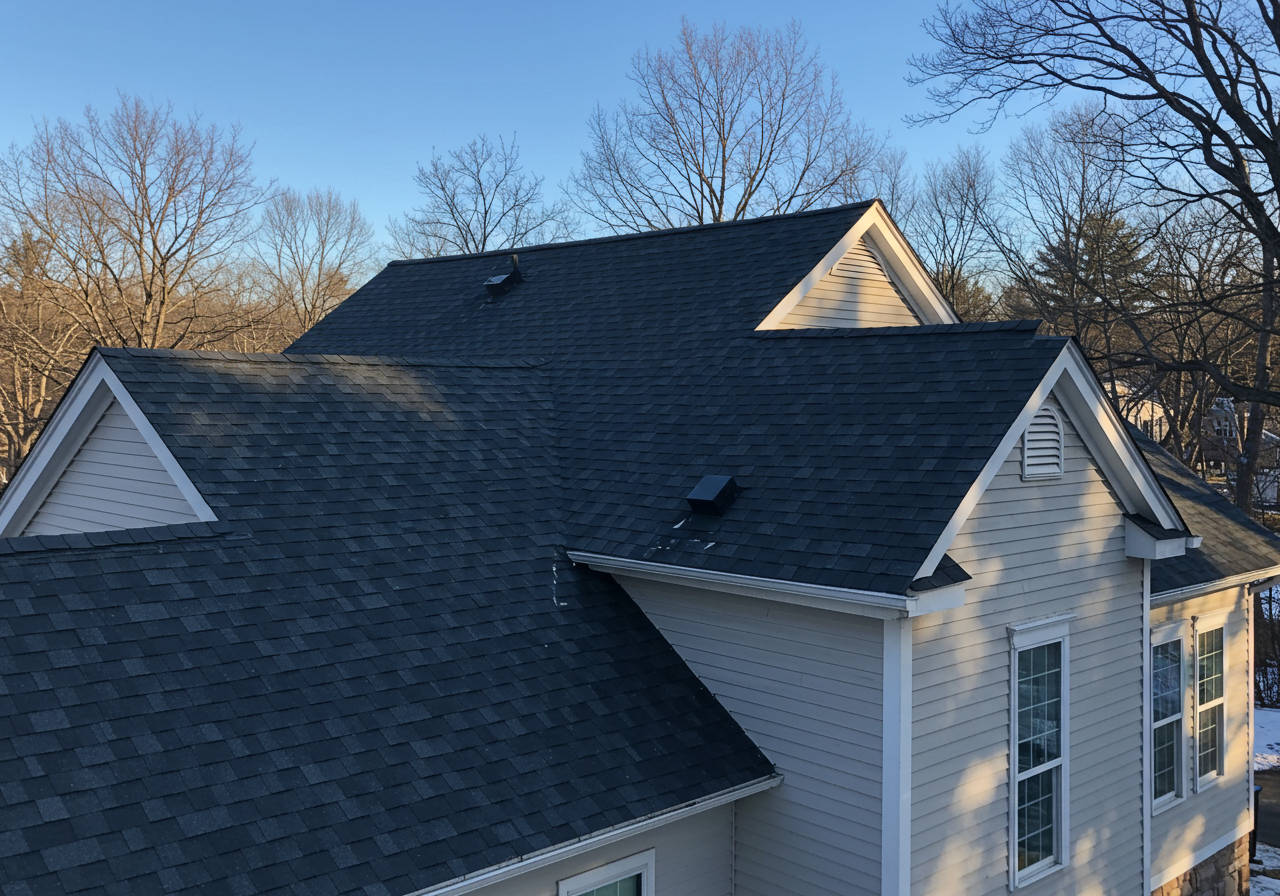
Energy Star Roofing in Colchester
Understanding the real value of energy-efficient roofing systems for Connecticut homes
The Physics of a "Cool Roof" in New London County
When we talk about Energy Star roofing, we're primarily talking about Solar Reflectance Index (SRI). I've stood on enough roofs in the middle of a Colchester August to tell you that a standard black asphalt shingle can hit 160°F. An Energy Star rated shingle, embedded with specialized cooling granules, might stay 50°F cooler. This isn't just about comfort; it's about the chemistry of your roof. High heat accelerates the "volatilization" of the asphalt, making shingles brittle and prone to cracking.
The reality is that these roofs work by reflecting infrared light back into the atmosphere. For a flat-roofed commercial building or a modern shed-style home near the Salmon River, this is a no-brainer. According to FEMA's guidelines for low-slope roof protection, these systems also tend to handle thermal expansion and contraction better, which is vital given our 90-degree temperature swings in CT.
I once inspected a property over on Old Hartford Road where the homeowner had installed a high-SRI white metal roof. Their attic temperature dropped from 134°F to 102°F in a single season. That's a massive reduction in the "heat soak" that forces your AC to run until 10:00 PM. But you have to weigh that against our Colchester winters.
The "Heating Penalty" and the Connecticut Climate
Here is the part the salesman won't mention: in February, you actually want some solar gain. A dark roof helps melt snow and provides a tiny bit of "free" heat to your attic. When you go with a highly reflective Energy Star product, you lose that winter benefit. This is what we call the "heating penalty."
In Connecticut, our cooling season is shorter than our heating season. However, because electricity (cooling) is significantly more expensive per BTU than natural gas or oil (heating) in New London County, the math usually still favors the Energy Star choice. The Department of Energy's insulation and roofing guide highlights that the best way to mitigate this is to treat the roof and the attic as one system. If you have R-60 insulation in your floor joists, the "heating penalty" of a cool roof becomes a rounding error on your bill.
Energy Star Roofing Pros & Cons
Pros
- Significant reduction in summer AC load
- Extends shingle life by reducing thermal shock
- Eligibility for federal tax credits
Cons
- Higher upfront material cost per square
- Potential for slightly higher winter heating bills
- Limited aesthetic colors in some high-reflectance lines
Don't just take my word for it— see what other CT homeowners experienced when they balanced efficiency with the aesthetics of their neighborhood. Many found that the modern "Cool Roof" shingles from brands like GAF or Owens Corning now come in darker grays and browns that still meet Energy Star 2026 requirements without looking like a giant mirror.
Financing and the 2026 Tax Credit Reality
Let's talk numbers. An Energy Star rated roof typically carries a 10% to 18% price premium over standard architectural shingles. On a 2,800-square-foot roof in Colchester, that might mean an extra $1,440 in material costs.
But, for the 2026 tax year, the Energy Efficient Home Improvement Credit (Section 25C) is a major factor. You can claim 30% of the cost of "energy-efficient building envelope components." While the shingle itself must meet specific criteria, the labor usually isn't covered. If you're worried about the total cost, there are resources available. The USA.gov portal for home repair assistance lists various federal grants and loans that can help seniors or low-income households in New London County bridge the gap between a "standard" roof and an energy-efficient one.
Projected Lifespan (Years) in CT Weather
I recently helped a couple near the Air Line Trail calculate their ROI. Between the $1,200 tax credit and an estimated $165 annual saving on their Eversource bill, the "efficiency premium" was paid off in less than three years. After that, it's pure profit—and a much more comfortable second floor.
Installation Pitfalls: Why the "Who" Matters More Than the "What"
You can buy the best Energy Star shingle on the market, but if the contractor uses "close-enough" venting, you've wasted your money. I've seen crews in Colchester block soffit vents with insulation while installing a "cool roof." It's a disaster. Without proper airflow, the moisture trapped in your attic will cook the shingles from the inside out, regardless of how much sun they reflect.
Look, the most important step isn't choosing the shingle; it's finding a contractor who actually shows up with a plan for balanced ventilation (intake at the soffits, exhaust at the ridge). I always tell homeowners to verify their contractor's license and specifically ask if they've handled Energy Star certifications before.
"An Energy Star shingle on a poorly vented attic is like wearing a North Face jacket but leaving it unzipped in a blizzard. The tech is there, but the execution is missing."
If you're dealing with a sudden failure this February—maybe an ice dam that finally gave way—don't rush into a standard replacement just because it's an emergency. Even when handling emergency services for storm damage, many of our verified pros can pivot to energy-efficient materials quickly if they know that's your priority.
Did You Know?
In 2026, Energy Star requirements for roofing shifted to include higher 'Aged Solar Reflectance' standards, meaning the roof must stay reflective even after years of pollen and soot buildup.
Actionable Steps for Colchester Homeowners
If you're ready to stop guessing and start measuring, here is how I recommend proceeding:
Audit Your Attic Insulation
Audit your current attic insulation to ensure it meets the CT R-60 standard.
Request Shingle Samples
Request a 'Cool Roof' shingle sample to see how the color looks against your siding in natural light.
Confirm Energy Star ID
Confirm the specific manufacturer's Energy Star ID number for your tax records.
Find Specialized Contractors
Use an automated matching service to find local New London County pros who specialize in high-efficiency installs.
Get Your Free Roof Quote
Enter your zip code to get started
Summary
Energy Star roofing isn't a gimmick, but it isn't magic either. In Colchester, its value is a mix of long-term material durability, summer AC relief, and that 30% federal tax credit. If your roof is over 18 years old and your attic feels like a sauna every July, the upgrade is likely a sound financial move. Just make sure your contractor doesn't ignore the ventilation math.