
Key Takeaways
- Off-season installs (late fall/winter) can trigger labor discounts of 10-15% as crews look to stay busy.
- Spring is the 'scramble season' in CT; high demand usually leads to rushed timelines and premium pricing.
- Shingle sealants require specific conditions, but modern materials allow for installations much later in the year than most homeowners realize.
- Avoid the 'Storm Chaser' window—immediately following a major weather event, prices skyrocket and quality drops.
I spent three hours last Tuesday at a dining room table in Chester, right near the Pattaconk Brook, looking at two vastly different quotes for the exact same GAF shingle install. One quote was from a contractor looking to fill his February schedule; the other was a "peak season" estimate from last September. The price gap wasn't just a few hundred dollars—it was a $3,140 difference for the same 2,400-square-foot colonial. The homeowner was stunned, but I wasn't. In Middlesex County, the calendar is just as much a pricing tool as the tape measure.
Timing isn't just about avoiding a rainy Tuesday. It's about labor availability, material price hikes, and whether your contractor is desperate for work or so busy they're adding a "convenience tax" to your bill. Most folks in Chester assume they have to wait for the first warm snap in April to even think about a roof. I'm here to tell you that's the fastest way to overpay by 10% or more.
The Financial Impact of the Chester "Busy Season"
If you call a roofer in June, you're competing with every other homeowner in the Connecticut River Valley who just noticed a leak during a spring thunderstorm. When demand is high, the "cash price" goes up. It's basic economics. I've seen Chester residents get hit with "backlog surcharges" simply because a contractor has six weeks of work already lined up.
But if you look at the numbers in the dead of winter or the very tail end of autumn, the leverage shifts back to you. Contractors have overhead—truck payments, insurance, and core crew salaries—that they have to pay regardless of whether they're on a roof. To keep the lights on, many will sharpen their pencils and offer a much more aggressive line-item breakdown.
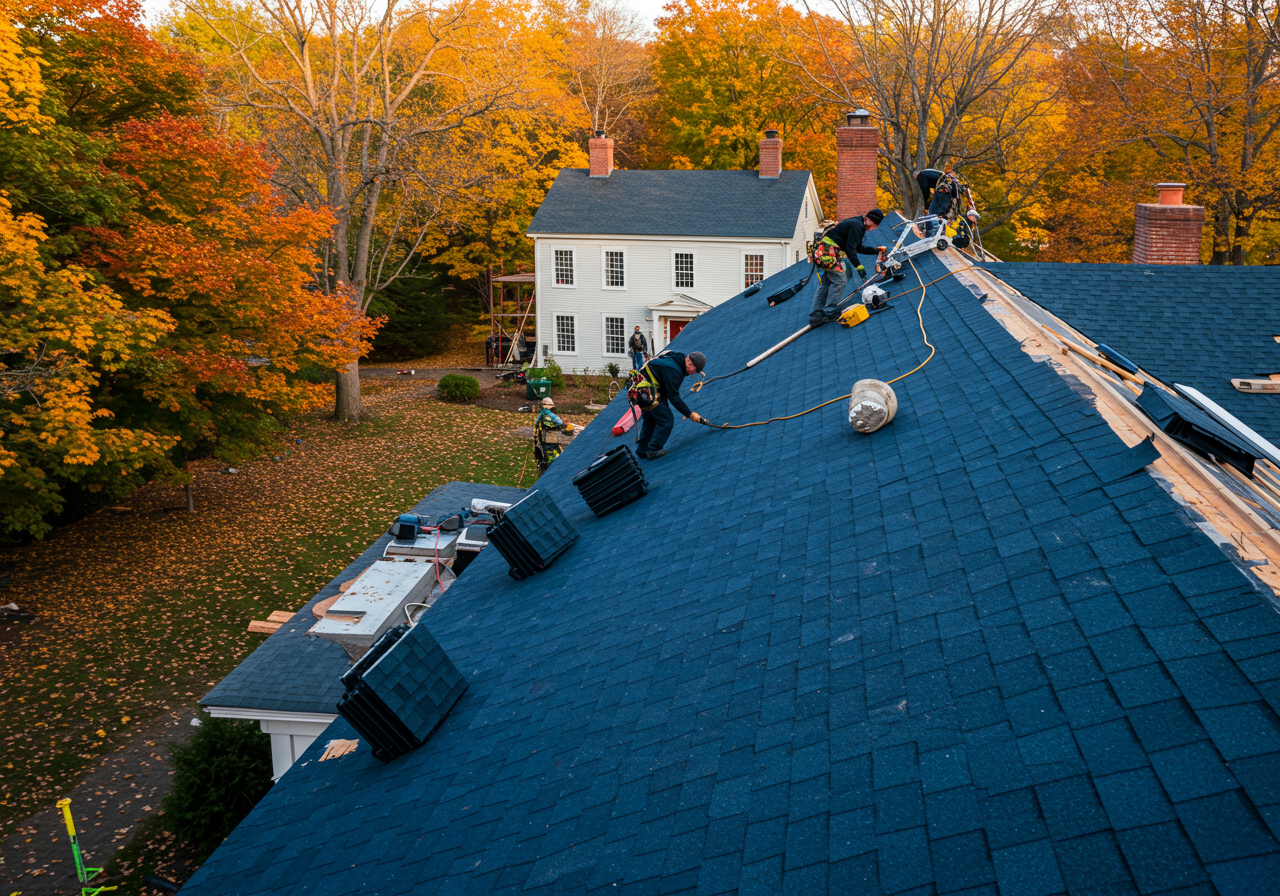
Seasonal Pricing Variations in Chester
Understanding how timing affects roofing costs can save homeowners thousands in Middlesex County.
The "Busy Tax" vs. The "Empty Calendar" Discount
When a contractor's phone isn't ringing, they are much more likely to waive those "miscellaneous" fees that tend to creep into peak-season contracts. I'm talking about dumpster overage fees, permit procurement labor, and specialized delivery charges. Before you sign anything, I always suggest you see what other CT homeowners experienced during different months to see how the service quality shifts when crews are rushed versus when they have time to breathe.
Why Winter Isn't Always a Dealbreaker
A common myth in Chester is that you can't roof in the winter. While you can't install shingles during a blizzard, modern cold-weather membranes and hand-sealing techniques make winter installs perfectly viable. If a lender tries to push a high-interest emergency loan because "you can't wait until spring," verify their contractor credentials and ask about their cold-weather installation protocols. A pro will have a specific plan; a salesman will just try to scare you into a high APR.
Average Labor Premium by Season in Chester (2026)
Planning Around Connecticut Weather Patterns
We all know the Middlesex County shoreline gets hit with everything from Nor'easters to humid heatwaves that make asphalt shingles feel like wet noodles. Each season presents a unique technical challenge that can affect the longevity of your $15,000+ investment. If you're skeptical about when the last major wind event hit your neighborhood, you can check the NWS Historical Storm Events Database to see the hail and wind patterns for our specific corner of the state.
The Problem with Spring Installs
Spring in Chester is notoriously wet. A roof replacement requires "opening up" your home. While crews use tarps, the risk of a sudden April shower catching a crew mid-tear-off is high. This leads to stress, potential interior water damage, and a rushed job. I'd rather see a homeowner wait for a stable three-day window in late October than gamble on a "maybe dry" week in May.
Fall: The "Sweet Spot" for Material Performance
Late September through October is arguably the best technical time for a roof in Connecticut. The air is dry, and the temperatures are high enough for the shingle's thermal sealant strip to activate, but not so hot that the installers are scuffing the new shingles with their boots. However, because it's the best time, it's also the most expensive. You have to weigh the "perfect install" against the "perfect price."
Winter Installation: Is It Worth the Risk?
Pros
- Maximum negotiation leverage with contractors
- Faster permit approval from the town of Chester
- Lower risk of landscaping damage (frozen ground)
- Immediate protection before spring rains
Cons
- Potential for weather delays (snow/ice)
- Shingles may require hand-sealing
- Daylight hours are significantly shorter
Protecting Your Investment and Your Wallet
Whether you're looking for federal aid for a critical repair through USA.gov's housing portal or you're paying cash, the goal is the same: the highest quality for the lowest possible dollar. One thing I never compromise on, regardless of the season, is safety. If I see a crew on a steep Chester roof in February without proper harnesses, I know they're cutting corners elsewhere. You should familiarize yourself with OSHA's fall protection standards so you can spot a professional outfit from a mile away.
Negotiation Script for Off-Season Projects
If you're getting a quote in a slow month, use this: "I know the schedule is a bit lighter this time of year. If I can be flexible with the start date to help fill a gap in your calendar, what's the best 'ready-to-work' price you can give me?" This signals that you're a savvy buyer who understands their business model.
Dealing with Sudden Failures
Sometimes, you don't get to choose the season. If a tree limb comes down during a February ice storm, you're in the "emergency" category. In those cases, don't let a contractor smell blood in the water. Even in a crisis, you should get a fast, fair estimate to ensure you aren't being price-gouged just because you have a hole in your ceiling.
Dana's Pro Tip: The Permit Hack
Get Your Free Roof Quote Today
Connect with verified CT pros in minutes.
No credit card required • Free to use
The bottom line is that the "best" time to replace a roof in Chester depends on your priorities. If you want the absolute lowest price and can handle a little bit of scheduling uncertainty, winter is your best friend. If you want the technically perfect environment and don't mind paying a 15% premium, aim for October. Whatever you do, don't just follow the crowd into the spring scramble. Put the numbers on paper, check the local data, and make the calendar work for your bank account.
Get Your Free Roof Quote
Enter your zip code to get started