March in Wethersfield has a very specific "vibe." If you've spent any time walking near the Broad Street Green lately, you know exactly what I mean. The ground is finally thawing, those brave little crocuses are poking through the mud, and the "ice dam anxiety" of February is finally fading into the rearview mirror. But as we transition into the rainy season, I've noticed a familiar sight while driving down Silas Deane Highway: homeowners squinting up at their rooflines, wondering if that last heavy snow did more damage than they realized.
I've lived through enough Connecticut "mud seasons" to know that this is the moment we all start thinking about home projects. But here is the thing I tell my neighbors every year: choosing a roof isn't just about picking a color that doesn't clash with your shutters. It's about surviving the 90-degree humidity of July and the 20-inch snow dumps of January. I recently helped a couple over on Wolcott Hill Road who almost spent $14,000 on a material that would have failed in eight years because of the heavy tree cover on their lot. We need to do better.
Key Takeaways
- Asphalt shingles are the most common choice, but 'Architectural' grade is the minimum requirement for CT's heavy snow loads.
- Metal roofing offers the best long-term value, often lasting over 50 years, though the upfront cost is higher.
- Synthetic slate provides the historic 'Old Wethersfield' aesthetic without the weight or maintenance of real stone.
- Proper ventilation is just as important as the material itself to prevent ice dams in Hartford County winters.
The Asphalt Standard: Why "Cheap" Often Costs More
Most of us default to asphalt because it's familiar. It's the "vanilla latte" of roofing—reliable, available, and generally affordable. However, the biggest mistake I see Wethersfield homeowners make is opting for traditional 3-tab shingles to save a few dollars. In our climate, those thin shingles are basically an invitation for wind damage.
Why Architectural Shingles Win
If you're going the asphalt route, you want architectural (or dimensional) shingles. They aren't just prettier; they are significantly heavier. I remember looking at a roof in the Griswoldville area after a particularly nasty spring storm. The houses with 3-tab shingles looked like they'd been through a blender, while the architectural roofs barely lost a granule. They are designed to withstand winds up to 130 mph, which is a must-have for our occasional hurricane-strength gusts.
The Algae Factor
Because we have so many beautiful, mature oaks and maples in Wethersfield, shade is a constant factor. Shaded roofs stay damp longer, leading to those ugly black streaks (Gloeocapsa magma algae). When you're picking your material, look for shingles infused with copper granules. It's a small detail that keeps your curb appeal from tanking three years after installation.
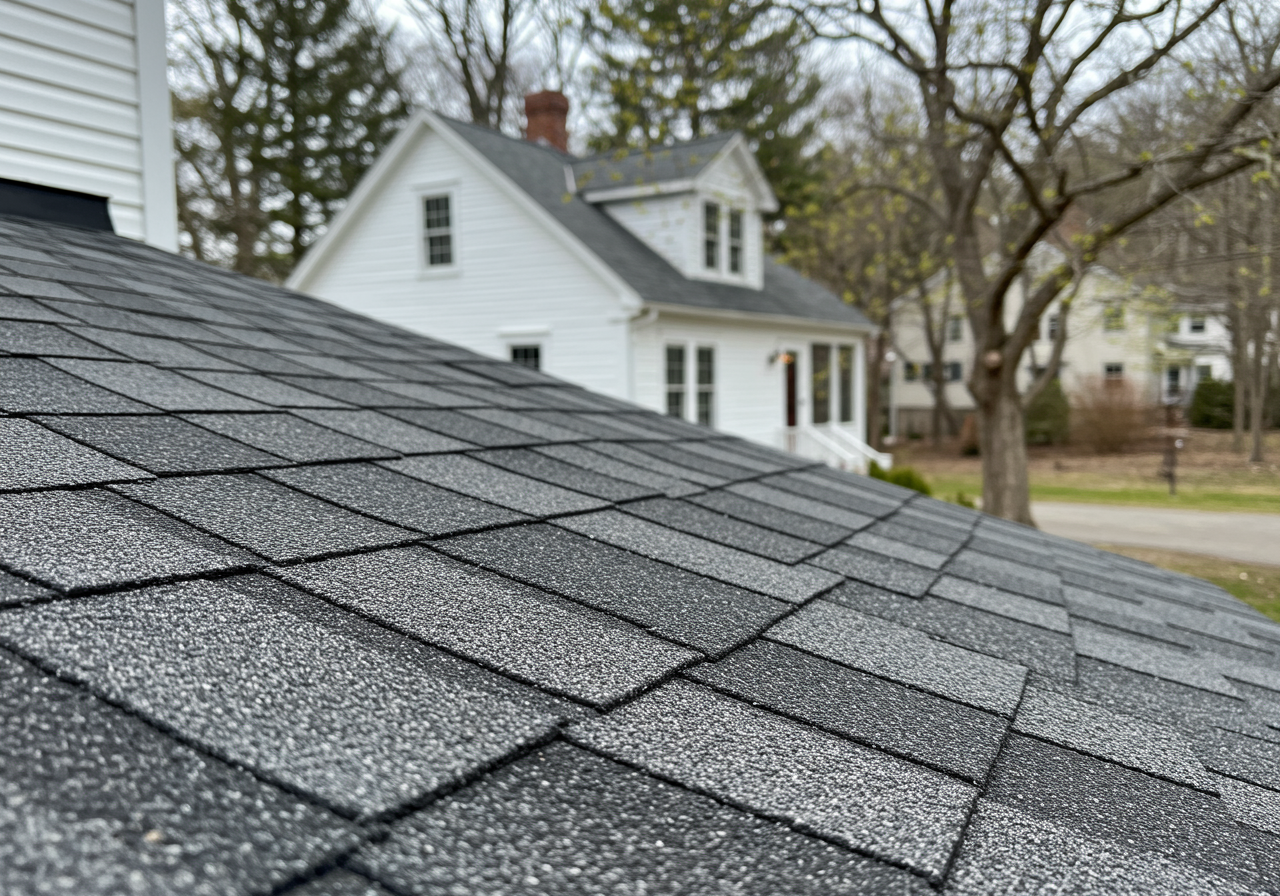
Wethersfield Roofing Materials
Choosing the right roofing material for Wethersfield's unique climate requires balancing durability, aesthetics, and long-term value.
Metal Roofing: The 50-Year Investment
If you're planning on staying in your home long enough to see your grandkids graduate from Wethersfield High, metal is worth the conversation. I know, I know—people worry it'll make their house look like a barn or sound like a drum set during a rainstorm. But modern standing-seam metal is incredibly sleek and surprisingly quiet when installed with proper decking and insulation.
Dealing with the Snow Load
One of the biggest perks of metal in Connecticut is how it handles snow. Instead of letting three feet of heavy, wet slush sit on your rafters, a metal roof allows it to slide right off. I've seen homeowners save thousands in structural repairs simply because they didn't have 10,000 pounds of ice sitting on their house for three weeks in February.
Roofing Material Lifespan in Connecticut
The Historic Look: Synthetic Slate and Wood
Wethersfield takes immense pride in its history—and rightly so! If you live in a gorgeous Colonial or a Queen Anne, a standard asphalt roof can sometimes feel like wearing sneakers with a tuxedo. It just doesn't fit the "soul" of the house. This is where synthetic materials come into play.
The Beauty of Composite
Real slate is breathtaking, but it's also heavy enough to require structural reinforcement that can cost $8,700 or more before you even buy the tiles. Synthetic slate, made from specialized polymers, gives you that jagged, elegant edge without the weight. Plus, it's Class 4 impact rated. That means when we get those weird March hailstorms, your roof won't crack like a tea cup.
Avoiding the Wood Shake Trap
I love the look of cedar shakes as much as anyone, but in our humid Connecticut summers, they are a maintenance nightmare. They rot, they curl, and they attract moss like a magnet. If you want that textured wood look, I always suggest a high-end composite shake. You get the "Old Wethersfield" charm without the Saturday afternoon spent on a ladder with a scrub brush.
HOA and Historic District Considerations
Performance Under Pressure: The Wethersfield Microclimate
We live in a bit of a pocket here in Hartford County. We get the humidity from the river and the trapped cold in the valleys. This "microclimate" is why I'm such a stickler about ventilation. You could buy the most expensive shingles in the world, but if your attic isn't breathing, that roof is going to fail.
The Role of Ridge Vents
Last year, I visited a friend near Highcrest School whose "new" roof was already blistering. The problem? The contractor hadn't balanced the intake and exhaust vents. In the summer, her attic was hitting 140 degrees, essentially "cooking" the shingles from the inside out. Always ensure your estimate includes a calculation for proper airflow.
Vetting Your Team
The material is only 50% of the equation. The other 50% is the person swinging the hammer. I tell everyone to start by verifying their credentials via CT eLicense to ensure they are a registered Home Improvement Contractor. It's also a smart move to check Connecticut's consumer protection guidelines so you know exactly what should be in your contract.
"In Wethersfield, we see a lot of 'summer failures.' People think the winter is the test, but the high humidity and UV rays in July do just as much damage to low-quality materials as the ice does."
Final Thoughts: Balancing Budget and Beauty
When you're weighing these options, try to look past the initial check you have to write. A roof that costs $11,350 but needs replacing in 12 years is actually more expensive than a $19,500 roof that lasts for 40 years.
If you're feeling overwhelmed by the choices, don't just guess. The best way to get a handle on the "real" numbers for your specific home is to find a contractor who actually shows up and understands the Wethersfield landscape. You want someone who knows the difference between a ranch on a sunny lot and a colonial tucked under a canopy of oaks.
If you've noticed a leak after the recent snowmelt, don't wait for the April showers to turn a small drip into a major headache. You can look into urgent repair services to get ahead of the spring rush. Or, if you're ready to see how the numbers look for a full upgrade, you can get an instant estimate through our automated matching system. It takes the guesswork out of the process, which is exactly what we all need during the chaos of spring cleaning.
Get Your Free Roof Quote
Enter your zip code to get started
Frequently Asked Questions

About Sheri Wilde
Verified ExpertSheri Wilde is a Home Improvement Editor with a background in interior design and sustainable living. She helps Connecticut homeowners make informed decisions about their biggest investments.